California Property Damage Lawyers
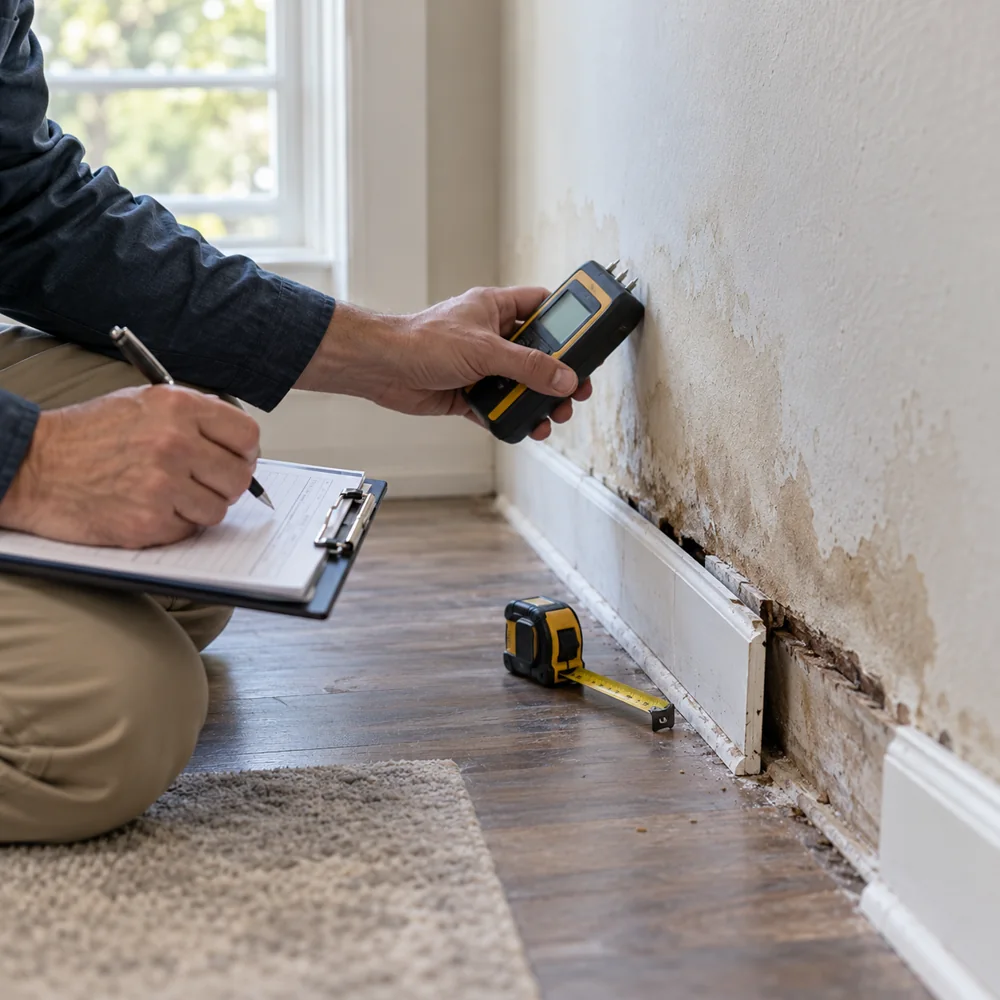
Protecting Your Property. Understanding Your Options.
Damage to your home, rental property, or business can disrupt daily life and leave you facing costly repairs. When an insurance claim is denied, payment falls short, or someone else may be responsible for the loss, understanding your options is an important first step.
Golden Coast Trial Attorneys helps clients assess property damage disputes and the legal issues surrounding them. We can review the circumstances of your loss, the available documentation, and potential paths toward recovery.
Denied, Delayed, or Underpaid Insurance Claims
An insurance dispute often starts with a difference between what you believe is needed to repair the damage and what the insurer has agreed to pay. The insurer may question the cause of the loss, apply an exclusion, or disagree with an estimate.
Our review can include the policy and endorsements, the stated reasons for a denial or reduced payment, inspection findings, repair estimates, and the claim correspondence. We can assess whether additional documentation or a challenge to the insurer’s position is appropriate.
A disputed claim is not automatically bad faith. An attorney can evaluate whether the facts raise issues involving the insurance contract or the insurer’s handling of the claim.
Talk To An Attorney Right Away!
At Golden Coast Trial Attorneys, we understand that each legal issue requires a distinct approach and strategy. Whether you are facing personal injury, employment disputes, consumer rights issues, or real estate matters, our experienced team is dedicated to providing the guidance and representation you need to achieve the best possible outcomes. Connect with us for more information and legal expertise.
Property Damage & Key Issues
Key Takeaways
- Property damage disputes may involve insurance coverage, repair costs, or a claim against a responsible party.
- The cause of the damage and the terms of your policy matter. Different types of water damage can have different coverage rules.
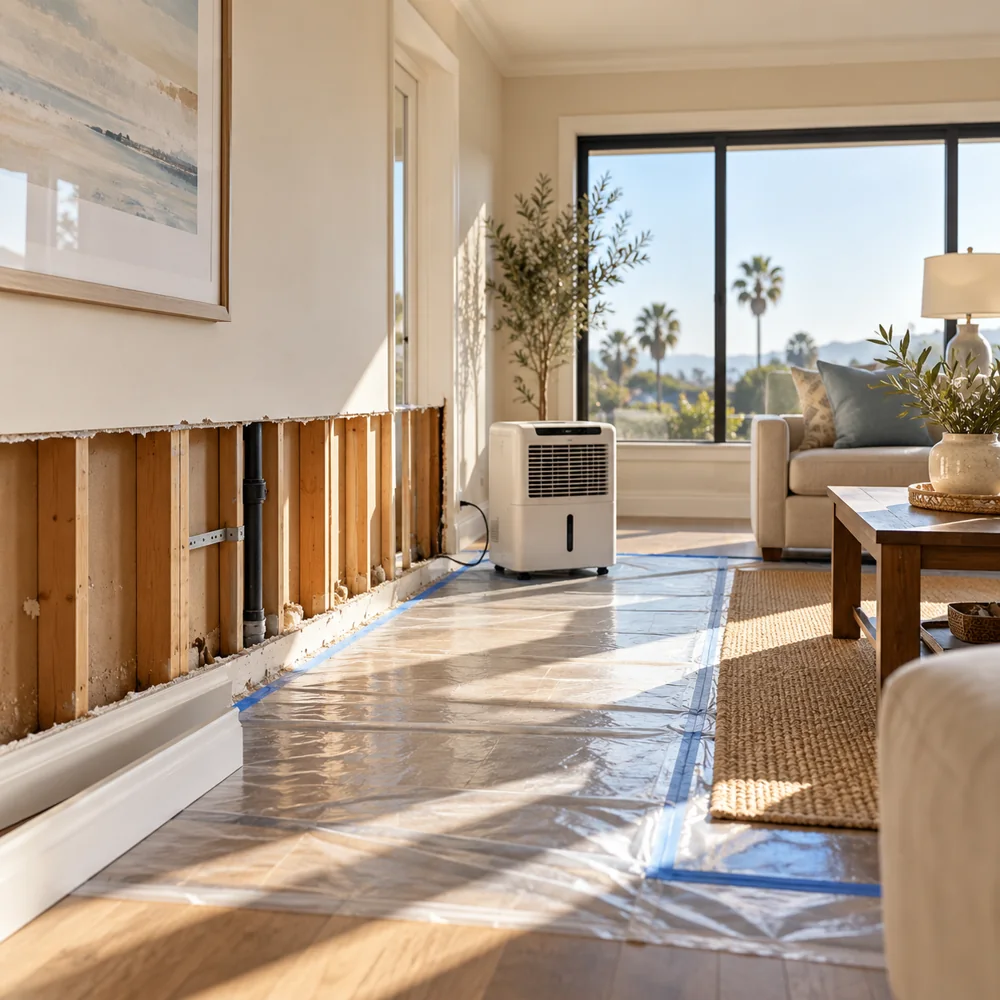
- Photographs, repair estimates, receipts, and written communications help establish what happened and what it may cost to address.
- Deadlines can vary. Have the relevant policy and facts reviewed before assuming you have time to wait.
Water Damage and Flood Coverage
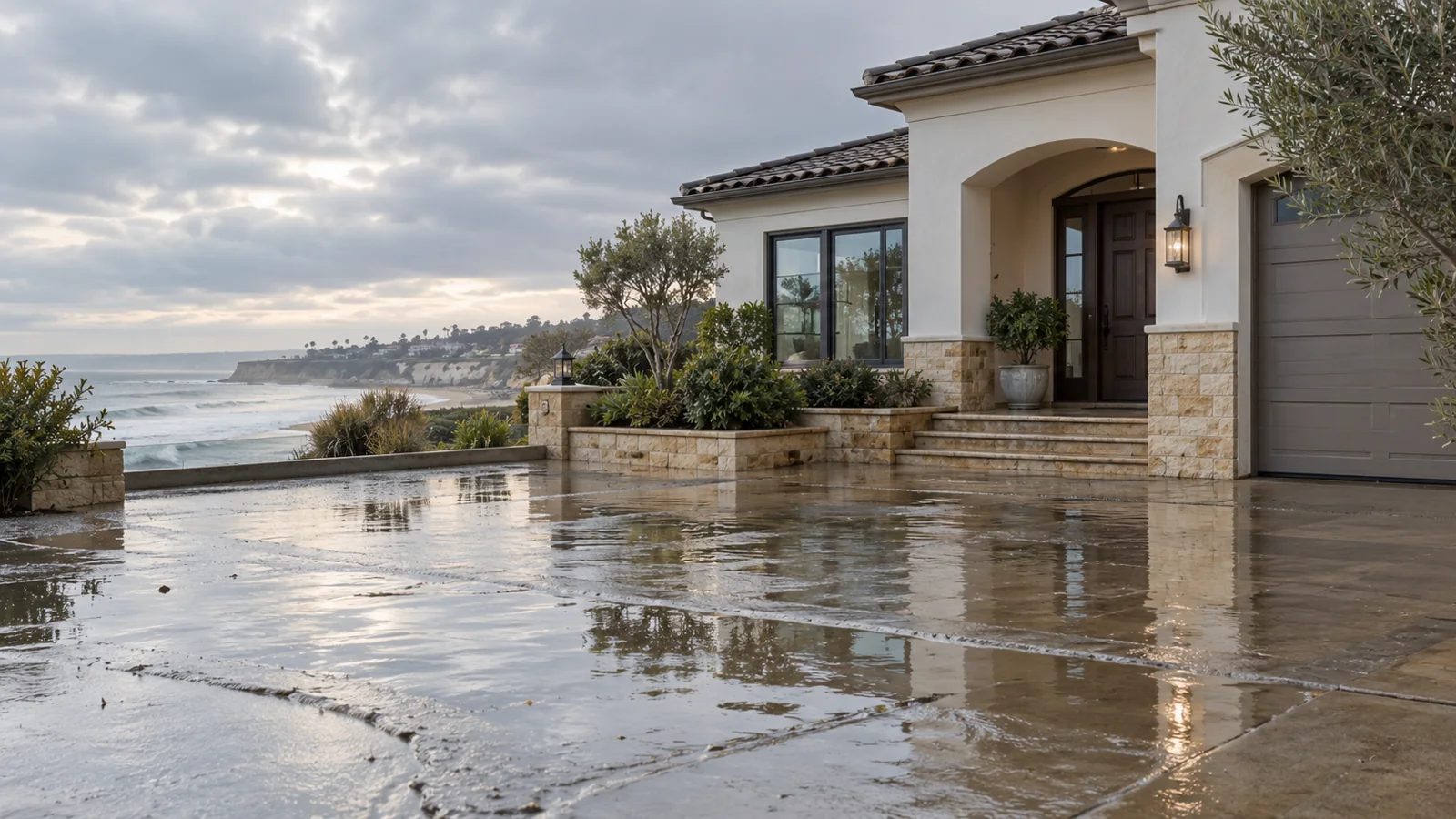
Water damage is not a single coverage category. A sudden pipe leak, water entering through a damaged roof, and flooding from rising surface water may be treated differently.
Standard homeowners policies generally exclude flood damage. Separate flood insurance may be needed. Policy language, exclusions, endorsements, and the actual source of the water must be reviewed before drawing conclusions about coverage.
If more than one cause contributed to the loss, preserve inspection findings and other evidence that can help explain how the damage occurred.
Coverage and legal responsibility are separate questions. An insured loss may involve a policy claim, while damage caused by another party may require a different analysis. Some situations involve both.
What to Do After Property Damage
1. Put Safety First
Keep away from unsafe structures, electrical hazards, and other dangerous conditions.
2. Document the Damage
When safe, photograph affected areas and belongings. Record when you first noticed the loss.
3. Limit Additional Damage
Take reasonable temporary measures safely and keep records of related expenses.
4. Notify Your Insurer
Review policy notice requirements and keep a record of your claim submission.
5. Keep the Paperwork
Save policies, estimates, receipts, inspection reports, and written communications.
6. Review Disputed Decisions
Request an explanation in writing. Seek advice before signing a release you do not understand.
How GCTA Can Help
Every property damage matter starts with the facts. We can help identify the issues in dispute, organize supporting evidence, and assess potential next steps.
- Review the nature of the loss and potentially responsible parties.
- Examine relevant insurance policy provisions and claim decisions.
- Assess documentation of repair costs and other claimed losses.
- Identify additional inspections or professional assessments that may be useful.
- Evaluate negotiation and litigation options when a dispute remains unresolved.
The available recovery depends on the facts, applicable law, policy terms, and evidence. For related ownership, landlord-tenant, or transaction issues, speak with one of our attorneys at GCTA Today!
Property Damage FAQs
For general consumer information, visit the California Department of Insurance’s Residential Property Claims Guide and Flood Insurance Fact Sheet. Explore all GCTA Practice Areas.