Judge Orders Forensic Search of Outgoing L.A. City Attorney’s Devices in Whistleblower Lawsuit
A Los Angeles Superior Court judge has ordered a comprehensive forensic search of outgoing City Attorney Hydee Feldstein Soto’s personal and work electronic devices. This ruling comes as part of ongoing litigation involving a whistleblower wrongful termination lawsuit filed by a former deputy city attorney.
The court’s decision follows findings that Feldstein Soto repeatedly failed to comply with discovery orders requiring the production of text messages, emails, and other digital communications. The judge also imposed a $1,000 fine for these discovery violations.
This development highlights the critical role of digital evidence in complex employment and whistleblower litigation, especially when allegations include claims of wrongful termination and potential misconduct within a public office.
Key Takeaways
- The court found that Feldstein Soto had not produced responsive text messages and provided insufficient explanations for withholding records.
- The forensic search aims to uncover potentially deleted or withheld communications relevant to the whistleblower claim.
- The case underscores challenges in preserving and producing electronic evidence in employment-related civil litigation.
Background of the Whistleblower Lawsuit
The lawsuit was filed by Michelle McGinnis, a former deputy city attorney who led the criminal division until her termination in April 2024. McGinnis alleges she was wrongfully fired after reporting alleged legal and ethical violations within the City Attorney’s office. The complaint claims that Feldstein Soto and her deputy colluded to fabricate reasons for McGinnis’s termination and to damage her professional reputation.
Feldstein Soto disputes these allegations, asserting that McGinnis was terminated for holding an unauthorized second job. The dispute has led to extensive discovery battles over electronic communications and records related to the termination.
Judge’s Ruling on Forensic Examination of Devices
Judge Brock T. Hammond ordered a third-party forensic examination of Feldstein Soto’s cell phones and laptops after finding that she failed to produce key communications despite multiple court orders. The judge noted that her responses to discovery requests were chaotic and incomplete, and that she provided insufficient or no explanations for withholding records.
The court rejected Feldstein Soto’s proposal to use self-service software to extract data, citing concerns about reliability and trustworthiness. Instead, the judge mandated an independent forensic search to ensure a thorough and impartial review of all relevant electronic evidence.
Digital Evidence and Discovery Challenges in Employment Litigation
This case illustrates how digital evidence—such as text messages, emails, photos, and metadata—can be pivotal in personal injury and wrongful termination claims involving public officials or employers. The plaintiff’s attorneys allege that Feldstein Soto used methods like photographing computer screens to transmit information without leaving a digital trail, complicating discovery.
Preserving and obtaining electronic records is often a contentious issue, especially when parties dispute the completeness or authenticity of produced evidence. Courts may impose sanctions or order forensic examinations when they suspect evidence has been withheld or destroyed.
In California, discovery disputes in employment and whistleblower cases can significantly affect the litigation’s outcome by revealing or obscuring key facts about liability and damages.
Why This Case Matters for Personal Injury and Wrongful Termination Claims
While this case centers on employment and whistleblower allegations rather than a traditional personal injury claim, it underscores important litigation principles relevant to serious injury and wrongful death cases. Specifically, it highlights the necessity of thorough evidence preservation and the potential need for forensic analysis of electronic devices to uncover hidden or deleted information.
Cases involving multiple responsible parties or complex liability often require scrutiny beyond initial documents, especially when digital records may reveal critical communications or misconduct. The court’s willingness to order a forensic search reflects the judiciary’s role in ensuring fair discovery and accountability.
For plaintiffs and defendants alike, this case demonstrates the importance of compliance with discovery obligations and the risks of discovery abuse, which can lead to fines and adverse rulings.
Frequently Asked Questions
What is a forensic search of electronic devices?
A forensic search involves a detailed and impartial examination of electronic devices by experts to recover all relevant data, including deleted or hidden files, to ensure comprehensive evidence collection.
Why did the court order a forensic search in this case?
The court found that the City Attorney failed to produce required digital communications and provided inadequate explanations, raising concerns about evidence withholding or deletion.
How does this ruling affect the whistleblower lawsuit?
The forensic search may uncover additional evidence that could support or refute claims of wrongful termination and alleged misconduct, impacting the case’s resolution.
Can similar digital evidence issues arise in California personal injury cases?
Yes, electronic records such as vehicle data, surveillance footage, or communication logs can be critical in personal injury litigation and may require forensic analysis.
Cases involving serious commercial vehicle injuries can require investigation beyond the driver. California injury claims involving public officials or employers may also involve complex discovery challenges. Los Angeles County personal injury attorneys understand the importance of preserving and obtaining all relevant evidence to support a claim.
If you or a loved one face serious injury or wrongful termination issues involving complex evidence, consider seeking a free case review to understand your legal options.
Original reporting by the Los Angeles Times can be found here.
ABOUT THE AUTHOR
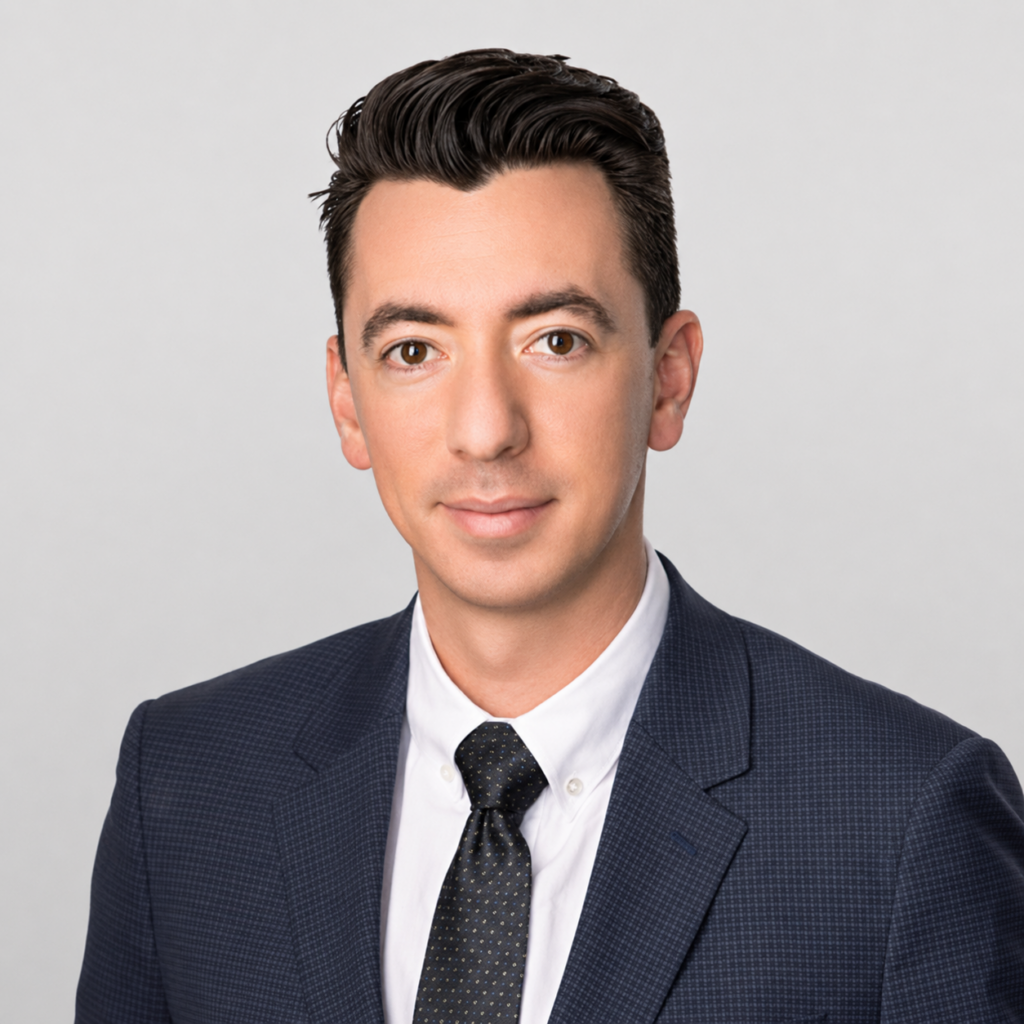
Andre Karchemsky, Esq.
Andre Karchemsky is a civil litigator with Golden Coast Trial Attorneys who advocates for individuals and families injured in accidents throughout California—from seemingly minor collisions to catastrophic injury and wrongful-death matters. He represents clients in claims involving cars, trucks, motorcycles, bicycles, pedestrians, unsafe properties, and other serious incidents. Drawing on prior experience representing Fortune 500 companies and insurers, Andre strategically prepares each case with trial in mind, providing knowledgeable, client-centered advocacy focused on protecting his clients’ rights and pursuing the full recovery they deserve.