Hollywood Sign Neighbors File Lawsuit Alleging City Created Public Nuisance Through Tourist Crowds
Residents living near the Hollywood sign have filed a legal complaint against the City of Los Angeles, Mayor Karen Bass, and Councilmember Nithya Raman, alleging that the city is responsible for creating a public nuisance by promoting the area as a tourist destination without adequately addressing the resulting impacts on the neighborhood.
The lawsuit claims that the city’s actions, including clearing brush to create a popular viewing spot, have led to severe traffic congestion, unsafe conditions, and unsanitary behavior such as public urination and littering. The plaintiffs seek an injunction requiring the city to abate these nuisance conditions on public property.
Key Takeaways
- The lawsuit alleges the city encouraged nuisance conditions by promoting the Hollywood sign area as a tourist attraction without mitigating neighborhood impacts.
- Residents report significant traffic jams, blocked driveways, and public sanitation problems including discarded diapers and bottles of urine.
- The plaintiffs seek a court order for the city to take action to reduce the nuisance, not monetary damages.
Background: Neighborhood Impact from Tourist Crowds Near the Hollywood Sign
The complaint arises from longstanding concerns by residents in Hollywoodland, Lake Hollywood Estates, and Hollywood Knolls about the influx of tourists visiting the Hollywood sign. The area’s narrow, winding streets have become congested, especially during holidays and peak visitor times, causing traffic jams that can delay emergency access.
Residents like Cynthia Cobb describe visitors blocking driveways, ignoring parking restrictions, and engaging in unsanitary conduct such as public urination and littering cigarette butts, which raises fire risks. The neighborhood park, originally intended for local use, has become a magnet for tourists, exacerbating these issues.
Lawsuit Alleges City’s Role in Creating and Maintaining the Public Nuisance
The lawsuit contends that the City of Los Angeles, through officials including a former councilman, actively contributed to the nuisance by clearing brush around 3100 Canyon Lake Drive to create a designated viewing area. This spot, now marked on Google Maps as the “Hollywood sign lookout,” attracts large crowds and street vendors, intensifying neighborhood disruption.
According to the complaint, the city failed to take adequate steps to address residents’ complaints over more than a decade, despite being aware of the problems. The plaintiffs are represented by attorney Ilan Wurman, who has experience in public nuisance litigation.
Key Legal Issues: Public Nuisance and Government Liability for Tourist-Related Harms
This case raises important questions about the extent to which a municipality can be held liable for nuisance conditions resulting from its promotion of public spaces as tourist destinations. The plaintiffs argue that the city’s actions created a foreseeable nuisance by encouraging large crowds without implementing sufficient controls or infrastructure.
The lawsuit focuses on nuisance abatement rather than monetary compensation, seeking a court order requiring the city to mitigate the impacts. Potential remedies could include restricting visitor access, replanting vegetation to limit viewing areas, or improving traffic management.
Why This Lawsuit Matters for California Neighborhoods Facing Tourist-Driven Nuisances
As tourist attractions in residential areas become increasingly popular, this case highlights the challenges cities face in balancing public access with neighborhood safety and quality of life. It underscores the need for municipalities to proactively manage the consequences of tourism, especially in areas with limited infrastructure.
California personal injury and nuisance claims can involve complex liability issues when public entities promote or maintain spaces that generate hazardous or disruptive conditions. This lawsuit exemplifies how residents may seek judicial intervention to compel government action when administrative remedies prove insufficient.
Frequently Asked Questions
What is a public nuisance in the context of this lawsuit?
A public nuisance is a condition that interferes with the public’s health, safety, or comfort. Here, the lawsuit alleges that the city’s promotion of the Hollywood sign viewing area caused traffic congestion and unsanitary conditions affecting residents.
Can residents sue a city for nuisance caused by tourists?
Yes, residents may file a public nuisance claim against a city if they can show the city’s actions contributed to or failed to address conditions that harm the community’s use and enjoyment of their property.
What remedies are the plaintiffs seeking?
The plaintiffs seek an injunction ordering the city to abate the nuisance, such as limiting tourist access or restoring vegetation, rather than monetary damages.
How might this case affect other neighborhoods with tourist attractions?
This case could encourage other communities to pursue legal action when tourist-related nuisances threaten safety and quality of life, prompting cities to adopt more comprehensive management plans.
Cases involving public nuisance claims against municipalities often require detailed investigation of government actions, available public resources, and the balance between public access and neighborhood protection. Residents and attorneys must carefully evaluate the evidence and legal standards applicable in California.
For those affected by serious neighborhood disruptions or personal injuries related to public nuisance conditions, consulting experienced Los Angeles County personal injury attorneys can provide guidance on potential legal options.
If you or your family are dealing with injuries or losses caused by complex liability issues involving public entities or multiple responsible parties, consider contacting Golden Coast Trial Attorneys for a free case review.
Original reporting on this lawsuit is available from the Los Angeles Times: Hollywood sign neighbors file legal complaint over nuisance conditions.
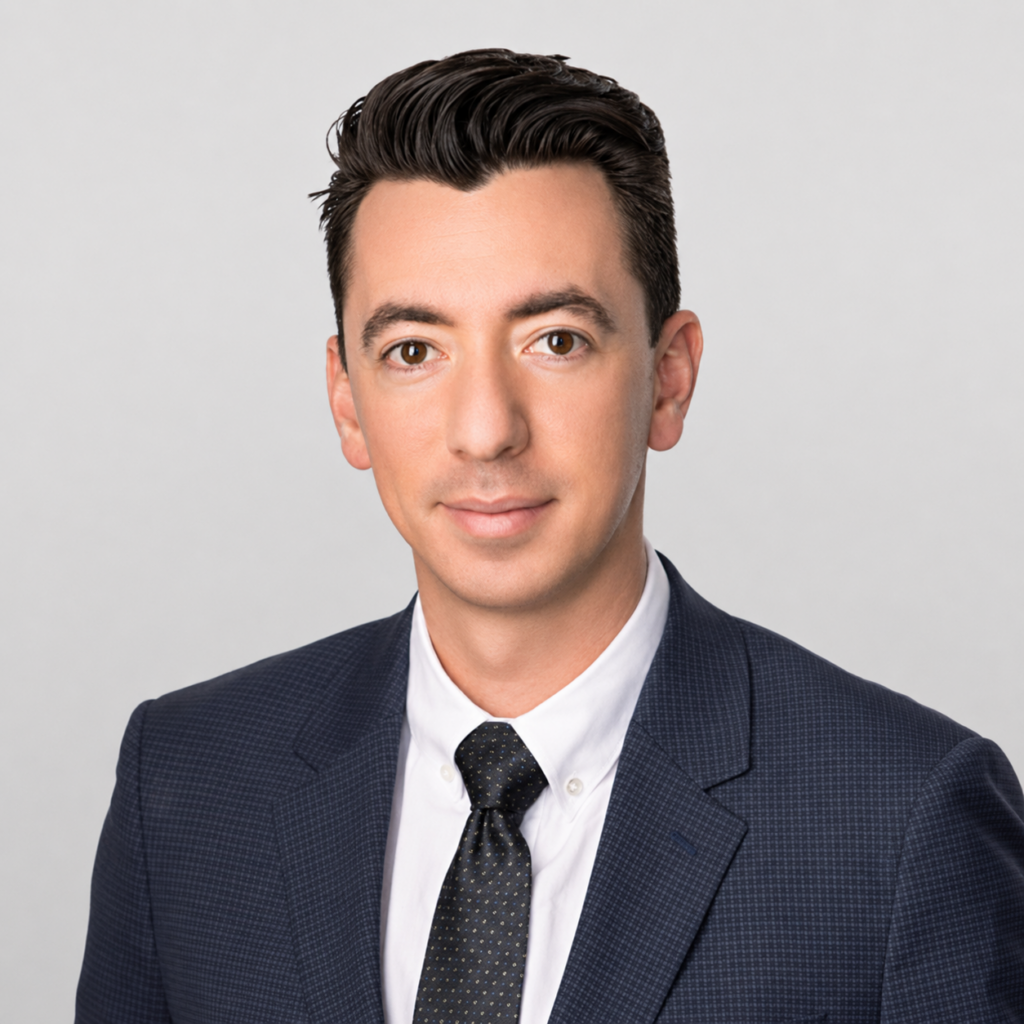
ABOUT THE AUTHOR
Andre Karchemsky, Esq.
Andre Karchemsky is a civil litigator with Golden Coast Trial Attorneys who advocates for individuals and families injured in accidents throughout California—from seemingly minor collisions to catastrophic injury and wrongful-death matters. He represents clients in claims involving cars, trucks, motorcycles, bicycles, pedestrians, unsafe properties, and other serious incidents. Drawing on prior experience representing Fortune 500 companies and insurers, Andre strategically prepares each case with trial in mind, providing knowledgeable, client-centered advocacy focused on protecting his clients’ rights and pursuing the full recovery they deserve.