Federal Court Asked to Block California from Counting 20,000 Ballots Over Citizenship Dispute
The U.S. Department of Justice has filed a lawsuit against the State of California, requesting a federal court to stop the state from counting mail-in ballots sent to about 20,000 voters whom the DOJ alleges are likely noncitizens. This legal action targets ballots statewide, with a significant number linked to Los Angeles County.
The lawsuit claims that federal agencies, including U.S. Citizenship and Immigration Services and Homeland Security Investigations, conducted investigations identifying these individuals with “high confidence” as noncitizens registered to vote. The DOJ argues that California’s continued processing of these ballots violates federal election laws and undermines the integrity of the electoral system.
Key Takeaways
- The DOJ lawsuit seeks to enjoin California from counting ballots of approximately 20,000 voters flagged as likely noncitizens based on federal data.
- California officials dispute the reliability of the federal data and criticize the timing and methodology of the DOJ’s demands, citing concerns about voter disenfranchisement.
- The case raises complex issues about federal versus state authority in election administration and the use of immigration data to challenge voter eligibility.
Background of the Citizenship Dispute and Ballot Counting
The lawsuit stems from a federal investigation into alleged unlawful voting, where USCIS and Homeland Security reviewed voter registration and citizenship records. According to the DOJ, these agencies identified nearly 20,000 individuals in California who are likely noncitizens yet remain registered voters and have been sent mail-in ballots for the upcoming midterm elections.
California Secretary of State Shirley Weber and Los Angeles County Registrar Dean Logan were given 48 hours to set aside these ballots for further investigation. When the state officials did not comply, the DOJ filed the lawsuit seeking immediate judicial intervention.
California officials have challenged the accuracy of the federal data, referencing prior instances where similar allegations in other states were disproven after review. They argue that the DOJ’s last-minute demands risk disenfranchising legitimate voters and disrupt election administration just weeks before Election Day.
Legal Claims and Court Proceedings in the DOJ Lawsuit
The DOJ’s complaint alleges that California’s actions violate federal election laws and the Supremacy Clause by facilitating unlawful voting. The suit requests the court to declare that California cannot send or count ballots for the identified individuals until their citizenship status is verified.
The lawsuit names state officials Weber and Logan as defendants and seeks an injunction barring the counting of the disputed ballots in federal elections. The DOJ emphasizes the impracticality of investigating thousands of voters individually before the election concludes and frames California’s refusal to act as an obstacle to enforcing federal law.
Meanwhile, a separate federal case in Washington, D.C., challenges the DOJ’s use of immigration data to question voter rolls, highlighting ongoing legal disputes over the reliability of such data and the federal government’s role in state election processes.
Challenges in Evidence and Election Law Implications
This case spotlights the difficulties in verifying voter eligibility using immigration records, which California officials and some courts have found to be unreliable. The timing of the DOJ’s demands—just weeks before the election—raises concerns about due process and the potential disenfranchisement of eligible voters.
Additionally, the dispute underscores tensions between federal authority to enforce election laws and state control over election administration. California officials maintain that federal courts have repeatedly affirmed states’ primary role in managing elections, and that the DOJ’s intervention is unprecedented and legally questionable.
For personal injury and wrongful death litigators, this case illustrates the importance of timely and reliable evidence in complex disputes, as well as the challenges posed by conflicting data sources and multiple responsible parties—in this instance, federal agencies and state officials.
Why This Case Matters for California Election and Legal Landscape
The lawsuit raises critical questions about the balance of power between federal and state governments in election oversight, the reliability of federal immigration data in voter eligibility determinations, and the protection of voter rights. It also highlights the operational challenges election officials face when confronted with last-minute federal demands.
For California residents and legal practitioners, the case serves as a reminder that election-related litigation can involve intricate issues of evidence, administrative law, and constitutional principles. The outcome may influence how future disputes over voter eligibility and election integrity are resolved, particularly in a state with large and diverse populations like California.
Cases involving disputed voter eligibility share parallels with personal injury litigation where evidence preservation, identification of responsible parties, and procedural fairness are paramount. Understanding these dynamics is essential for attorneys navigating complex civil litigation.
Frequently Asked Questions
What is the main legal issue in the DOJ’s lawsuit against California?
The lawsuit centers on whether California can legally count ballots from voters identified by federal agencies as likely noncitizens, raising questions about federal authority to intervene in state election administration.
How reliable is the federal data used to identify noncitizen voters?
California officials and some courts have criticized the federal data as unreliable, citing previous instances where similar allegations were disproven after state review.
What are the potential consequences if the court grants the DOJ’s injunction?
If granted, California would be barred from counting the disputed ballots until the citizenship status of those voters is verified, potentially delaying election results and affecting voter participation.
Does this case affect California personal injury or wrongful death claims?
While the case is election-focused, it underscores the importance of evidence integrity and procedural fairness, principles that also apply in serious personal injury and wrongful death litigation.
For those affected by serious injuries or wrongful death claims, consulting experienced Los Angeles County personal injury attorneys can provide guidance on navigating complex legal issues.
If you or a loved one face a serious injury or wrongful death matter, consider reaching out for a free case review to understand your legal options.
Original reporting on this legal development can be found at the Los Angeles Times.
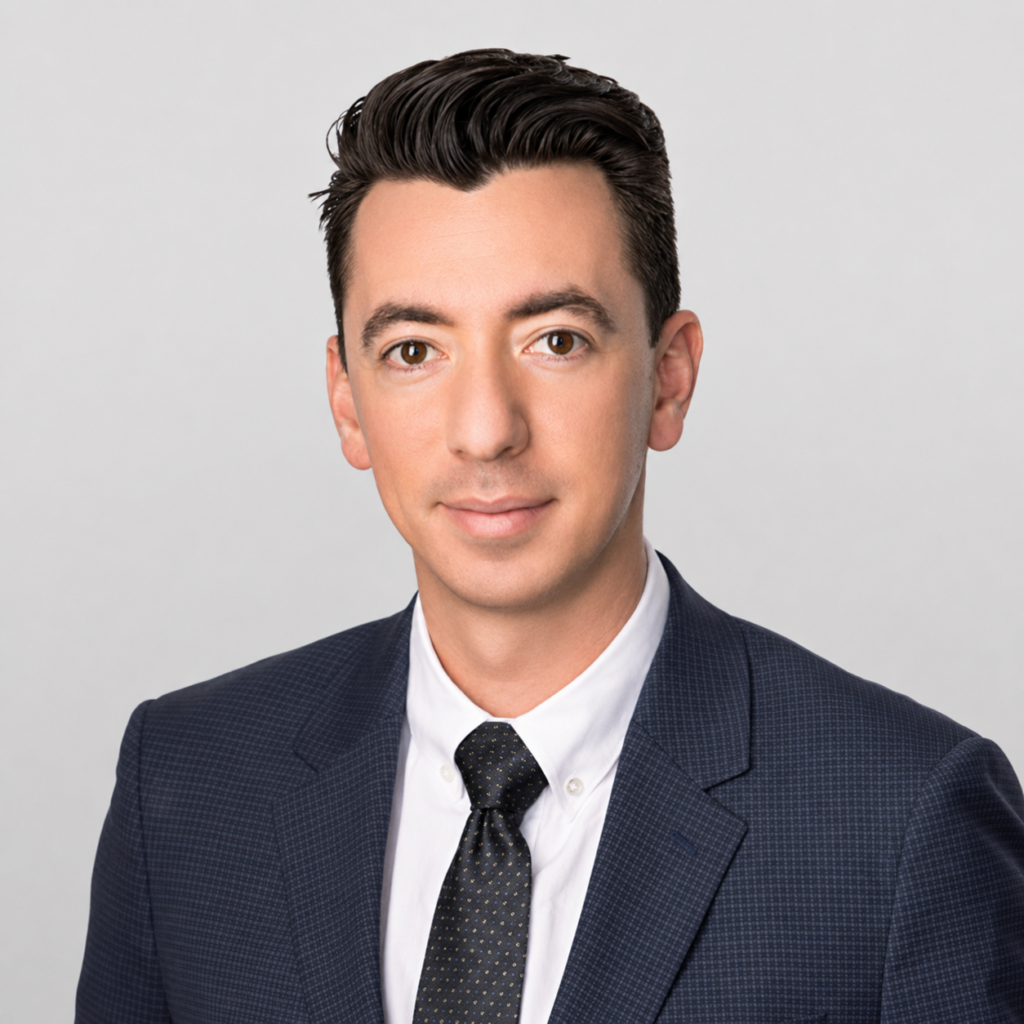
ABOUT THE AUTHOR
Andre Karchemsky, Esq.
Andre Karchemsky is a civil litigator with Golden Coast Trial Attorneys who advocates for individuals and families injured in accidents throughout California—from seemingly minor collisions to catastrophic injury and wrongful-death matters. He represents clients in claims involving cars, trucks, motorcycles, bicycles, pedestrians, unsafe properties, and other serious incidents. Drawing on prior experience representing Fortune 500 companies and insurers, Andre strategically prepares each case with trial in mind, providing knowledgeable, client-centered advocacy focused on protecting his clients’ rights and pursuing the full recovery they deserve.