California Files 100th Lawsuit Challenging ICE Courthouse Arrests
California Attorney General Rob Bonta has filed the state’s 100th lawsuit against the Trump administration, focusing on the controversial practice of U.S. Immigration and Customs Enforcement (ICE) agents arresting individuals for alleged civil immigration violations at or near state courthouses. This legal action challenges the constitutionality and disruptive impact of such arrests on the judicial process and the rights of court participants.
Bonta’s lawsuit argues that ICE’s courthouse arrests undermine the rule of law by deterring victims, witnesses, defendants, and other parties from participating in court proceedings due to fear of detention. The state claims these actions violate the Immigration and Nationality Act and infringe upon California’s sovereign judicial functions protected under the 10th Amendment.
Key Takeaways
- California’s lawsuit marks the 100th legal challenge against the Trump administration in under two years, highlighting ongoing conflicts over immigration enforcement policies.
- The lawsuit targets ICE’s practice of conducting civil immigration arrests at or near courthouses, which the state alleges disrupts court proceedings and chills participation.
- Recent federal court rulings have limited ICE’s authority to make such arrests, but the Trump administration is appealing these decisions, prolonging the legal dispute.
Background on ICE Courthouse Arrests and California’s Response
ICE’s practice of arresting individuals near courthouses has been a contentious issue, with critics arguing it threatens the fairness and accessibility of the justice system. Arrests at courthouses can intimidate witnesses and victims, leading to dropped charges or compromised cases. California has long opposed these tactics, with previous statements from state judicial leaders condemning the arrests as disruptive and counterproductive.
After the Trump administration resumed and expanded these arrests starting in early 2025, California intensified its legal opposition. An ICE memo authorized agents to conduct civil immigration enforcement actions in or near courthouses if they had credible information about a targeted individual’s presence. This led to numerous arrests across the state, including incidents where individuals were detained immediately after attending court hearings.
Legal Challenge and Court Developments
California’s lawsuit contends that ICE’s courthouse arrests are arbitrary and capricious, violating both federal immigration law and state sovereignty. The state emphasizes the chilling effect these arrests have on the judicial process and public safety.
In June 2026, a federal judge in San Francisco struck down ICE’s expanded courthouse arrest policies nationwide, restoring restrictions that limit civil immigration arrests in or near courthouses except under specific circumstances. The Trump administration is currently appealing this ruling, keeping the issue unresolved.
California has also enacted state legislation to bolster protections against civil arrests near courthouses, extending safeguards to public ways within 1,000 feet of court facilities. However, the lawsuit argues that federal agents continue to disregard state laws, citing recent court decisions that have blocked state measures regulating federal immigration enforcement activities.
Key Legal Issues: Federal-State Conflict and Impact on Court Access
This case exemplifies the complex legal tensions between federal immigration enforcement authority and state sovereignty over judicial functions. California asserts that ICE’s actions interfere with the state’s ability to administer justice and protect the rights of court users.
Another critical issue is the evidentiary and procedural impact of arrests near courthouses. Fear of detention can prevent witnesses and victims from testifying, undermining criminal prosecutions and civil proceedings. This raises concerns about due process and the effective functioning of the justice system.
Moreover, the ongoing appeals and conflicting court rulings create uncertainty about the scope of ICE’s enforcement powers and the extent to which states can regulate federal immigration actions within their jurisdictions.
Why This Lawsuit Matters for California and Personal Injury Litigation
While this lawsuit primarily addresses immigration enforcement, it has broader implications for California’s legal landscape, including personal injury and wrongful death cases. Court access and the willingness of witnesses and victims to participate are essential to fair litigation outcomes.
Cases involving serious injuries or fatalities often depend on reliable testimony and evidence from individuals who may be vulnerable to immigration enforcement actions. The chilling effect of ICE courthouse arrests can hinder the pursuit of justice for injury victims and their families.
California’s persistent legal challenges highlight the importance of protecting court participants from enforcement practices that disrupt judicial processes. This ongoing dispute underscores the need for careful evaluation of liability, evidence preservation, and the rights of all parties involved in litigation.
Frequently Asked Questions
What is the main legal argument against ICE courthouse arrests?
California argues that ICE’s practice violates federal immigration law, infringes on state sovereignty under the 10th Amendment, and disrupts the judicial process by deterring court participation.
How have courts ruled on ICE’s authority to arrest near courthouses?
A federal judge struck down ICE’s expanded courthouse arrest policies nationwide in June 2026, but the Trump administration is appealing the decision, leaving the issue unsettled.
Why do courthouse arrests affect personal injury and other civil cases?
Arrests near courthouses can intimidate witnesses and victims, leading to reduced testimony and compromised case outcomes, which is critical in serious injury and wrongful death litigation.
What protections has California enacted against these arrests?
California passed a law extending protections against civil arrests within 1,000 feet of court facilities, though federal agents have challenged the state’s authority to enforce such measures.
For individuals facing serious injury or wrongful death claims, understanding how legal developments like this affect court access and evidence is crucial. Those impacted may benefit from consulting experienced Los Angeles County personal injury attorneys for guidance on navigating complex litigation issues.
To discuss your situation with knowledgeable counsel, consider reaching out for a free case review.
Original reporting by the Los Angeles Times is available here.
ABOUT THE AUTHOR
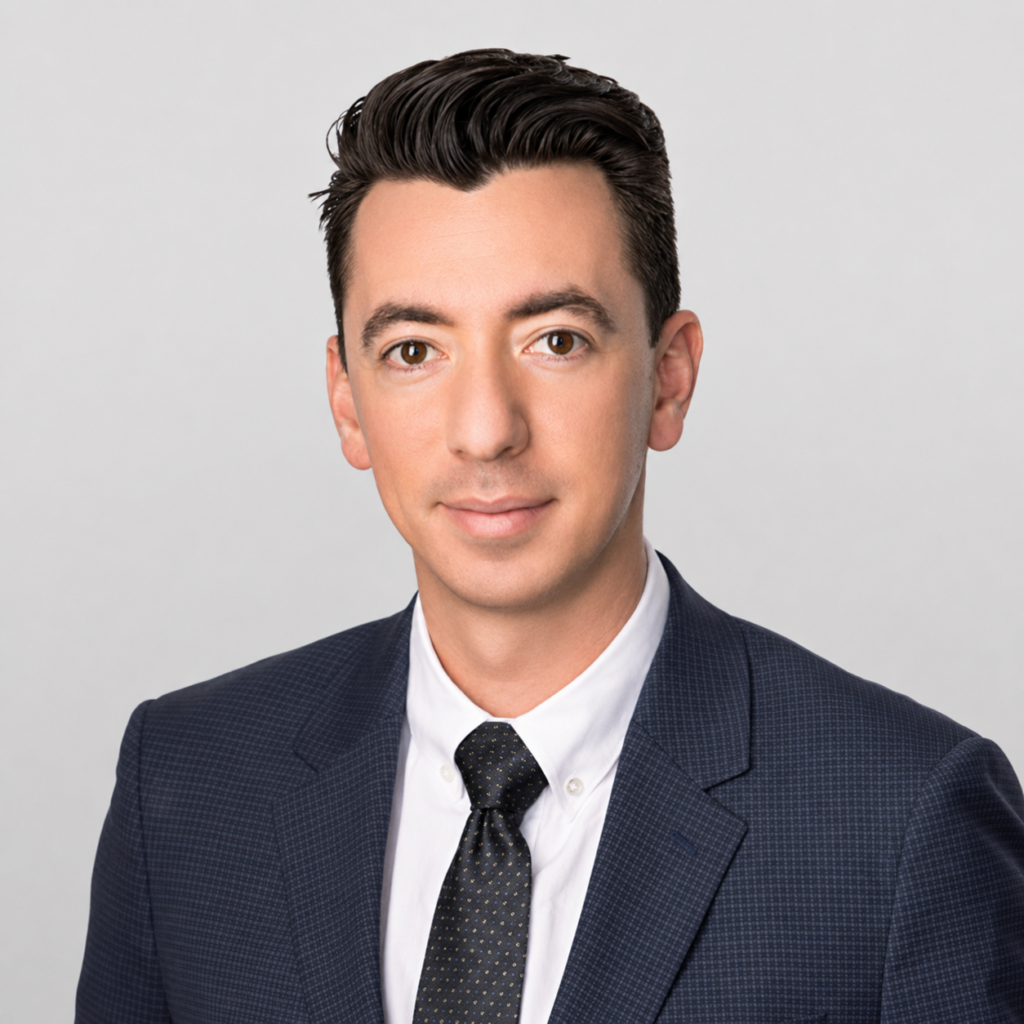
Andre Karchemsky, Esq.
Andre Karchemsky is a civil litigator with Golden Coast Trial Attorneys who advocates for individuals and families injured in accidents throughout California—from seemingly minor collisions to catastrophic injury and wrongful-death matters. He represents clients in claims involving cars, trucks, motorcycles, bicycles, pedestrians, unsafe properties, and other serious incidents. Drawing on prior experience representing Fortune 500 companies and insurers, Andre strategically prepares each case with trial in mind, providing knowledgeable, client-centered advocacy focused on protecting his clients’ rights and pursuing the full recovery they deserve.