2026 Midterms and California Crash Claims | GCTA
The 2026 Blue Wave and California Crash Claims: What Actually Changed?
Golden Coast Trial Attorneys, P.C. • November 6, 2026
Democrats won control of the U.S. House and Senate in the November 3 midterms. In California, Democrats also flipped the five Republican-held House seats targeted by the state’s new congressional map. For someone recovering from a car, Uber or Lyft, or big-rig crash, the more immediate question is whether the election changed who pays the medical bills. The congressional results had no immediate effect on California crash claims. The developments that matter most for injured Californians came out of Sacramento before Election Day. Associated Press on control of Congress · Associated Press on California’s House races
What California voters never had to decide
A proposed California ballot initiative would have limited what attorneys could charge crash victims on contingency and restricted recovery for certain medical expenses. Its scope reached beyond Uber and Lyft to automobile crashes generally. The proponents withdrew the initiative on June 25, so it never went to a vote in November. California Secretary of State’s withdrawal notice
California took a narrower approach with Senate Bill 623, signed that same day. It limits how much an injured person can recover for certain medical treatment provided on a lien in covered claims against app-based companies, their subsidiaries, or app-based drivers. A medical lien can let someone receive treatment with payment deferred while the claim is pending. The law generally ties recovery for covered services to the 70th percentile of comparable local billed charges, subject to the statute’s exceptions. These provisions apply to qualifying crashes on or after January 1, 2027. Chaptered text of SB 623 · CalMatters on the legislative agreement
Car accidents: A driver’s policy can run out before your care is over
California’s standard minimum auto liability limits increased in 2025. The current minimums are $30,000 for injury or death to one person, $60,000 for injury or death to multiple people in one crash, and $15,000 for property damage. That means several injured people may have to share the $60,000 bodily injury limit under a minimum policy. If another driver’s insurance falls short, your own uninsured or underinsured motorist coverage may matter, depending on your policy and the facts. California DMV insurance requirements · California Department of Insurance on the 2025 changes
Learn about California car accident claims.
Uber and Lyft accidents: Who caused the crash matters
Imagine you’re riding in a Lyft on the 405 when another car hits you. If the other driver is at fault and has too little insurance, the rideshare company’s uninsured or underinsured motorist coverage may matter. Starting January 1, 2026, SB 371 lowered the required coverage while a passenger is in the vehicle from $1 million to $60,000 per person and $300,000 per incident. California Assembly insurance bill summary · Chaptered text of SB 371
If your rideshare driver caused the crash during an accepted ride, the separate $1 million primary liability insurance requirement still applies during that stage of the trip. When a driver is logged in and waiting for a request, a different set of requirements applies. Save the ride receipt, trip details, and any messages from the app. Those records can help establish when the trip began and which coverage may apply. Chaptered text of SB 371 · GCTA rideshare accident attorneys
Big-rig accidents: The carrier and its records matter, too
If a tractor-trailer hits you on the I-710 or I-10, the investigation may look at who operated the truck, who maintained it, and how the load was secured. Driver logs, dispatch records, inspection reports, and maintenance records can help piece together what happened before impact. For example, if a driver reports brake trouble, maintenance records can help show whether someone knew about the problem before the truck went back out.
Federal rules generally require at least $750,000 in public liability coverage for for-hire carriers hauling nonhazardous property in interstate commerce in vehicles rated at 10,001 pounds or more. Other requirements may apply depending on the carrier, route, vehicle, and cargo. The federal minimum is a starting point for identifying coverage. The policies in force at the time of the crash determine the coverage available under those policies. Federal Motor Carrier Safety Administration insurance requirements · GCTA trucking accident attorneys
What to save after a crash
- Get medical care and keep the paperwork. Save discharge instructions, bills, and records of missed work.
- Preserve evidence while it’s available. Keep photos, dashcam clips, witness contact information, and the crash report number. If you were in a rideshare, save the trip receipt. If a big rig was involved, keep any photos showing the carrier’s name or USDOT number.
- Find out which policies apply. The crash date, the rideshare driver’s app status, and the vehicles and companies involved can all affect where a claim goes.
Talk with Golden Coast Trial Attorneys
If you were injured in a car, rideshare, or big-rig crash in Los Angeles or elsewhere in Southern California, Golden Coast Trial Attorneys, P.C. can review what happened, explain which insurance policies may apply, and discuss your options. Call (833) 9-LAW-NOW or request a free consultation.
ABOUT THE AUTHOR
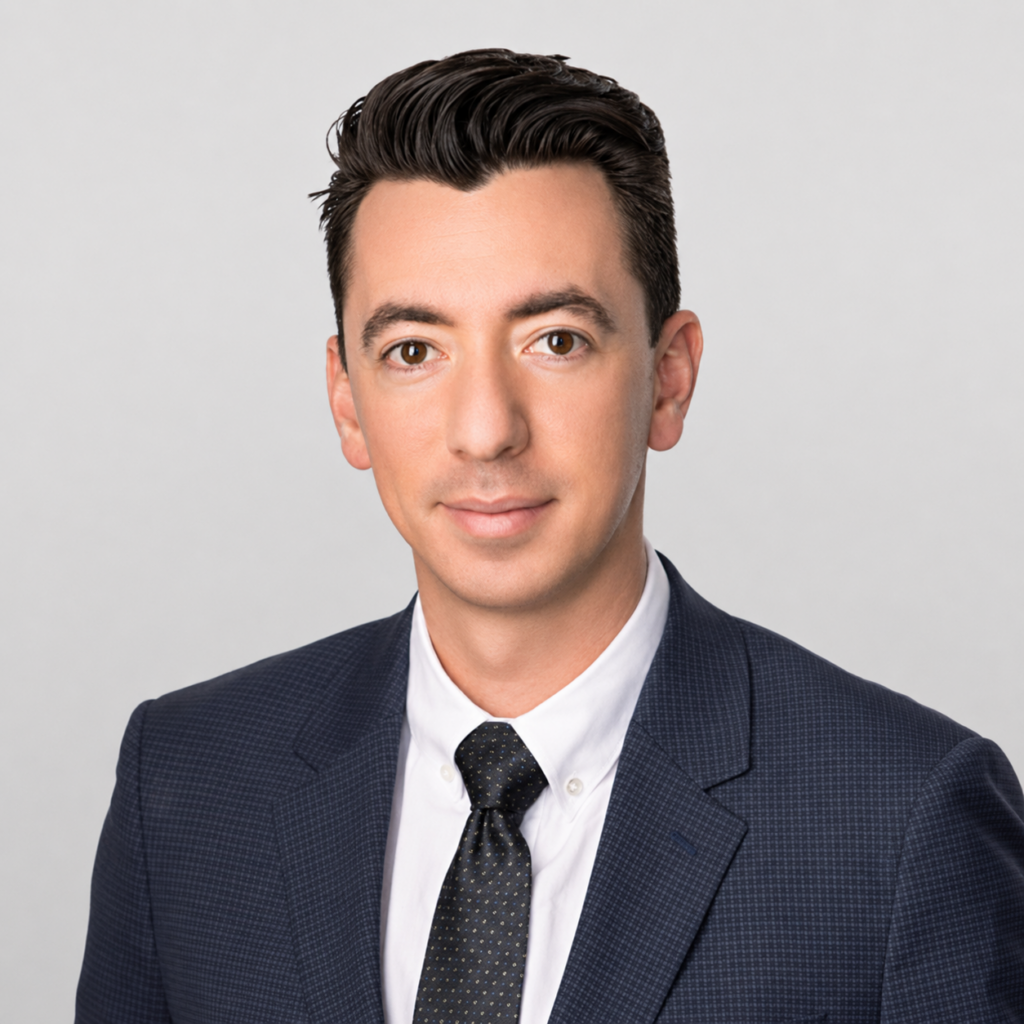
Andre Karchemsky, Esq.
Andre Karchemsky is a civil litigator with Golden Coast Trial Attorneys who advocates for individuals and families injured in accidents throughout California—from seemingly minor collisions to catastrophic injury and wrongful-death matters. He represents clients in claims involving cars, trucks, motorcycles, bicycles, pedestrians, unsafe properties, and other serious incidents. Drawing on prior experience representing Fortune 500 companies and insurers, Andre strategically prepares each case with trial in mind, providing knowledgeable, client-centered advocacy focused on protecting his clients’ rights and pursuing the full recovery they deserve.