California Court Allows Jury Trial on Southern California Edison’s Liability in Eaton Fire
A California Superior Court judge has denied Southern California Edison’s (SCE) request to avoid trial on a key legal issue in lawsuits arising from the 2025 Eaton Fire, the most destructive wildfire in the Los Angeles area’s history. The ruling means that Edison will face a jury trial on claims that its electrical equipment caused the fire, triggering liability under California’s inverse condemnation doctrine.
The Eaton Fire, which ignited in January 2025 near Pasadena, resulted in 19 fatalities, destroyed or damaged over 9,000 homes and businesses, and burned approximately 14,000 acres. Property owners and insurers have filed lawsuits seeking compensation for billions of dollars in losses, alleging that Edison’s equipment was responsible for starting the blaze.
Key Takeaways
- Superior Court Judge Laura Seigle ruled that Southern California Edison cannot avoid trial on inverse condemnation claims related to the Eaton Fire.
- The fire was allegedly caused by electrical arcing on an out-of-service transmission tower owned by Edison.
- The case raises important questions about strict liability for utilities when equipment not actively in service causes wildfire damage.
The Eaton Fire and Allegations Against Southern California Edison
The Eaton Fire began on January 7, 2025, on a dry hillside near Pasadena, California. An investigation by the Los Angeles County Fire Department concluded that electrical arcing events on a dormant transmission tower owned by Edison sparked the wildfire. The tower had been out of service since 1971 but was located near an active power line.
According to the lawsuits, a power surge on the nearby active line created a magnetic field that briefly reenergized the idle cable, causing sparks that ignited the fire. The resulting blaze caused extensive property damage, loss of life, and widespread displacement.
Judge’s Ruling on Inverse Condemnation Liability
Southern California Edison sought to dismiss the lawsuits on the basis that the idle transmission tower did not qualify as a “public improvement” under California’s inverse condemnation law, which holds utilities strictly liable for wildfire damages caused by their equipment regardless of negligence.
However, Superior Court Judge Laura Seigle rejected Edison’s argument, noting that the utility failed to cite any legal precedent supporting the claim that a transmission line loses its status as a public improvement simply because it was idle at the time of the fire. The ruling allows the case to proceed to a jury trial scheduled for late January 2027.
This decision is significant because it affirms that utilities may face strict liability for wildfire damages even when the equipment involved is not actively transmitting electricity, expanding the scope of inverse condemnation claims.
Legal Issues Surrounding Utility Liability and Wildfire Damage
The Eaton Fire litigation highlights complex liability issues in California wildfire cases involving utilities. The inverse condemnation doctrine imposes strict liability on utilities for damages caused by their equipment, regardless of fault, reflecting the state’s policy to protect property owners from wildfire losses.
In this case, the key legal question is whether equipment that has been out of service for decades still constitutes a public improvement triggering strict liability. Edison argues that the dormant status of the tower exempts it from liability, while plaintiffs contend that the equipment’s connection to the utility’s infrastructure makes Edison responsible.
Additional issues include the role of electrical surges, the interaction between active and inactive equipment, and the extent of damages recoverable under California law. The case also involves insurers seeking to recoup payouts made to fire victims, adding layers of complexity to the litigation.
Why This Case Matters for California Wildfire Litigation
The ruling in the Eaton Fire case underscores the challenges utilities face in wildfire liability cases and the broad protections California law affords to property owners. It clarifies that utilities cannot easily avoid liability by claiming equipment inactivity, potentially influencing how future wildfire claims are litigated.
For plaintiffs, the decision affirms the viability of inverse condemnation claims even when the equipment’s operational status is disputed. For utilities and insurers, it signals that courts may hold companies accountable for wildfire damages linked to their infrastructure, regardless of negligence.
Cases involving serious wildfire damages often require detailed investigation of utility equipment, electrical records, and expert testimony on causation. This litigation exemplifies how personal injury and property damage claims in wildfire contexts can hinge on nuanced technical and legal issues.
Frequently Asked Questions
What is inverse condemnation in California wildfire cases?
Inverse condemnation is a legal doctrine that holds utilities strictly liable for wildfire damages caused by their equipment, even without proof of negligence.
Why is Southern California Edison facing a jury trial in the Eaton Fire case?
A judge ruled that Edison cannot dismiss claims that its equipment caused the fire, allowing a jury to decide liability under inverse condemnation.
Does equipment have to be active to trigger utility liability for wildfires?
This case raises the issue, but the court rejected Edison’s argument that inactive equipment is exempt from liability.
How does this ruling affect wildfire victims and insurers?
The ruling supports victims’ ability to seek compensation and allows insurers to pursue recovery from utilities responsible for wildfire damages.
California wildfire cases often involve complex liability and insurance issues. Those affected by serious wildfire injuries or property loss may benefit from consulting experienced Los Angeles County personal injury attorneys to understand their rights and options.
For a confidential discussion about your case, consider requesting a free case review.
Original reporting on this development is available at Insurance Journal.
ABOUT THE AUTHOR
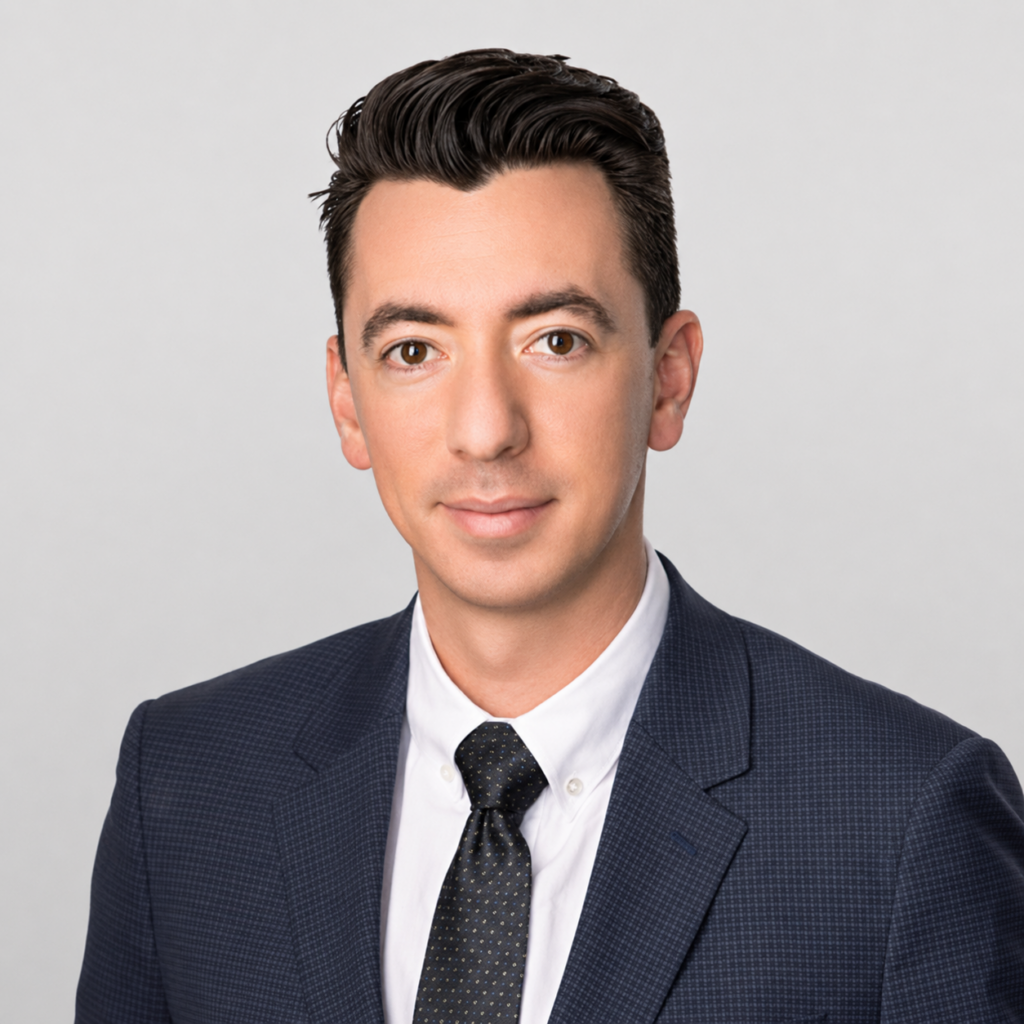
Andre Karchemsky, Esq.
Andre Karchemsky is a civil litigator with Golden Coast Trial Attorneys who advocates for individuals and families injured in accidents throughout California—from seemingly minor collisions to catastrophic injury and wrongful-death matters. He represents clients in claims involving cars, trucks, motorcycles, bicycles, pedestrians, unsafe properties, and other serious incidents. Drawing on prior experience representing Fortune 500 companies and insurers, Andre strategically prepares each case with trial in mind, providing knowledgeable, client-centered advocacy focused on protecting his clients’ rights and pursuing the full recovery they deserve.