Antitrust Lawsuit Challenges SDG&E’s Golden Pacific Powerlink Project Bidding Process
A new antitrust lawsuit has been filed challenging the bidding process for San Diego Gas & Electric’s (SDG&E) Golden Pacific Powerlink project, a major power line proposal running from the Imperial Valley to San Clemente. The suit alleges that SDG&E lost the initial bidding to Horizon West Transmission but that the winning bidder improperly transferred the contract back to SDG&E, potentially costing ratepayers hundreds of millions of dollars.
The plaintiffs, including energy engineer Bill Powers and several non-profit organizations, claim that the bidding process was undermined by improper coordination between the utility companies and the California Independent System Operator (CAISO). They seek to void the contract award and restart the bidding process to ensure fair competition and protect ratepayer interests.
Key Takeaways
- The lawsuit alleges collusion between SDG&E, Horizon West Transmission, and CAISO in the Golden Pacific Powerlink project bidding.
- SDG&E originally lost the bid by over $600 million but allegedly received the contract after a transfer from the winning bidder.
- Plaintiffs seek to void the contract award to prevent increased costs to California ratepayers.
Background of the Golden Pacific Powerlink Project and Bidding Dispute
The Golden Pacific Powerlink project involves constructing a high-voltage power line stretching from the Imperial Valley through Borrego Springs, Warner Springs, and Temecula, terminating in San Clemente. The project is part of California’s broader energy infrastructure planning to improve transmission capacity and reliability.
SDG&E submitted a bid of approximately $1.62 billion for the project but was reportedly outbid by Horizon West Transmission, which offered a bid around $1 billion. Despite losing the bid, SDG&E allegedly ended up performing the work after Horizon West transferred the contract back to them. This sequence of events has prompted allegations of collusion and manipulation of the competitive bidding process.
Details of the Antitrust Lawsuit and Legal Claims
The lawsuit, brought by Bill Powers and several non-profit groups, alleges that SDG&E, Horizon West Transmission, and CAISO conspired behind the scenes to circumvent the competitive bidding process. The plaintiffs argue that allowing the contract to be transferred from the lower bidder to the higher bidder imposes unjustified costs on ratepayers, potentially exceeding $900 million more than the winning bid.
The plaintiffs are not seeking financial damages but rather aim to have the contract award voided and the bidding process restarted to ensure transparency and fairness. They contend that the current arrangement undermines the integrity of public utility contracting and harms consumers who ultimately bear the cost through utility rates.
SDG&E has stated that it has not been formally served with the complaint and declined to comment on the lawsuit. The utility emphasized that the project’s need was identified through CAISO’s transmission planning process.
Legal Issues Surrounding Competitive Bidding and Public Utility Contracts
This case highlights important legal issues related to competitive bidding in public utility projects, including allegations of antitrust violations and improper contract awards. Key questions include whether the transfer of the contract from the winning bidder to SDG&E was lawful and whether the bidding process was conducted fairly and transparently.
For California personal injury and wrongful death claims, these types of disputes underscore the importance of scrutinizing corporate and public entity conduct, especially when multiple parties and complex contracts are involved. While this lawsuit does not involve personal injury claims directly, it reflects the broader challenges in holding large corporations and public entities accountable for their business practices.
Why the Golden Pacific Powerlink Lawsuit Matters
The lawsuit is noteworthy because it challenges the integrity of a significant infrastructure project with substantial public impact. The allegations of collusion and contract manipulation raise concerns about how large utility projects are awarded and the potential financial burden on California ratepayers.
Cases involving complex liability and multiple responsible parties, such as this one, often require detailed investigation into corporate records, communications, and regulatory oversight. For plaintiffs in serious injury or wrongful death cases involving public entities or large corporations, understanding these dynamics can be critical for evaluating liability and available insurance coverage.
While this lawsuit focuses on antitrust and contract issues, it serves as a reminder that litigation involving public utilities and large projects can intersect with personal injury law when accidents or injuries arise from such infrastructure.
Frequently Asked Questions
What is the Golden Pacific Powerlink project?
It is a proposed high-voltage power line running from the Imperial Valley to San Clemente, intended to enhance California’s electrical transmission capacity.
Who filed the antitrust lawsuit against SDG&E?
The lawsuit was filed by energy engineer Bill Powers and several non-profit organizations alleging improper collusion in the bidding process.
What is the main allegation in the lawsuit?
The plaintiffs allege that the winning bidder transferred the contract to SDG&E, who originally lost the bid, undermining competitive bidding and increasing costs to ratepayers.
How does this lawsuit affect California ratepayers?
If the allegations are true, ratepayers could face higher utility costs due to the contract being awarded to a higher bidder instead of the lowest bidder.
Cases involving serious commercial projects can require investigation beyond the obvious facts, including examining corporate conduct and regulatory oversight. For those affected by serious injuries or wrongful death claims related to public entities or large infrastructure, consulting experienced Inland Empire personal injury attorneys can be crucial.
If you or a loved one are dealing with a serious injury or wrongful death claim, consider reaching out for a free case review to understand your legal options.
Original reporting by FOX 5 San Diego.
ABOUT THE AUTHOR
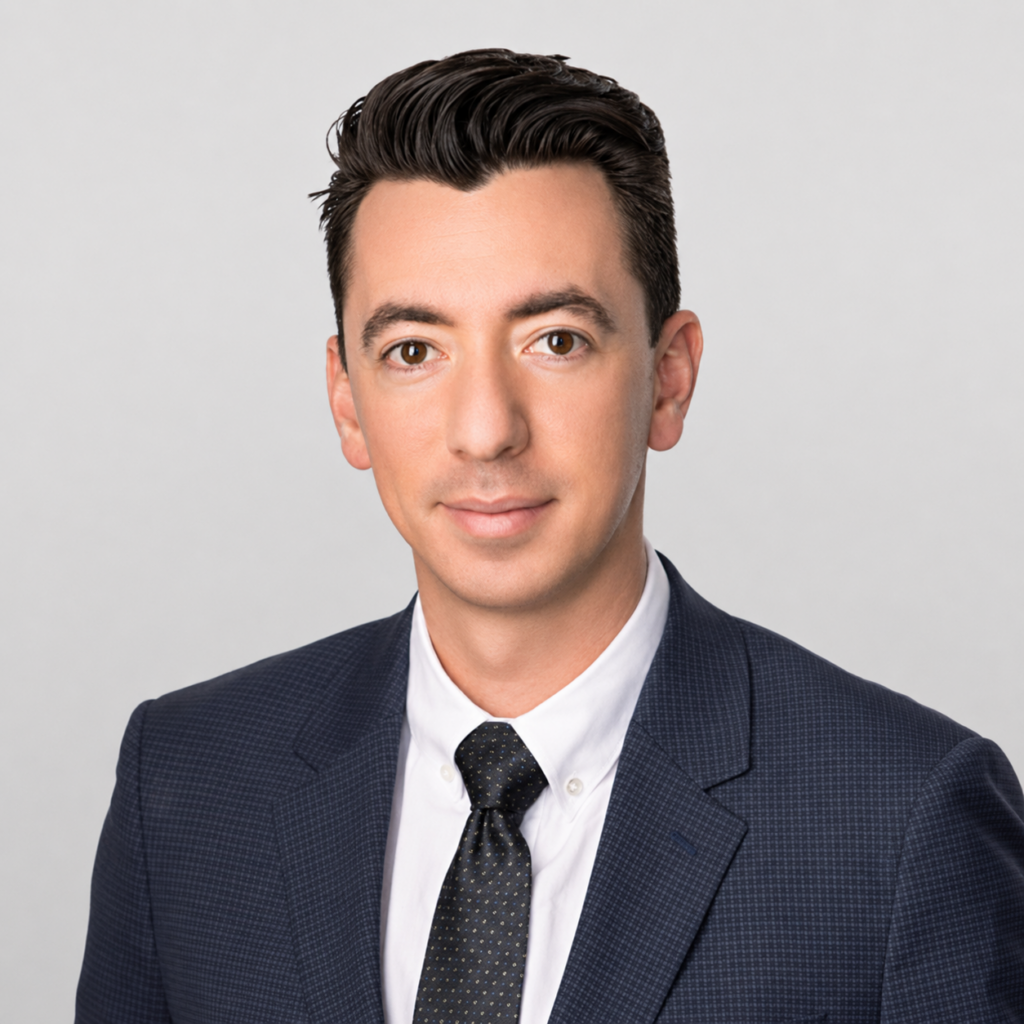
Andre Karchemsky, Esq.
Andre Karchemsky is a civil litigator with Golden Coast Trial Attorneys who advocates for individuals and families injured in accidents throughout California—from seemingly minor collisions to catastrophic injury and wrongful-death matters. He represents clients in claims involving cars, trucks, motorcycles, bicycles, pedestrians, unsafe properties, and other serious incidents. Drawing on prior experience representing Fortune 500 companies and insurers, Andre strategically prepares each case with trial in mind, providing knowledgeable, client-centered advocacy focused on protecting his clients’ rights and pursuing the full recovery they deserve.