Lawsuit Alleges UCLA Police Shared Sexual Assault Victim’s Address with Alleged Attacker
A recent lawsuit filed against the University of California’s Board of Regents alleges that a UCLA police detective improperly shared a sexual assault victim’s home and campus addresses, along with sensitive forensic medical examination details, with the accused perpetrator. The complaint, filed in Los Angeles Superior Court, claims the victim never consented to this disclosure, which allegedly led to retaliatory vandalism at her residence.
This legal development highlights critical issues surrounding confidentiality, evidence handling, and institutional responsibility in sexual assault investigations on university campuses. The case underscores the potential consequences when law enforcement and university officials fail to safeguard victims’ private information.
Key Takeaways
- UCLA police detective allegedly allowed the accused student to photograph confidential sexual assault forensic exam results and victim’s addresses without consent.
- The victim’s car was vandalized days after the disclosure, but UCLA reportedly did not investigate the retaliation or provide requested surveillance footage.
- The lawsuit raises significant questions about compliance with California privacy laws and university policies protecting sexual assault victims.
Background of the Sexual Assault and Disclosure Allegations
In March 2023, a female UCLA student reported being sexually assaulted by a male student. Following the report, UCLA police arranged for an acute sexual assault forensic medical examination conducted by the Long Beach Sexual Assault Response Team. The resulting medical records contained highly sensitive information, including trauma findings and forensic evidence.
According to the lawsuit, the victim cooperated with law enforcement by authorizing the release of her forensic exam information solely for the criminal investigation. She did not consent to sharing this information with the accused, his advisor, or any university disciplinary or Title IX processes.
Despite these restrictions, the complaint alleges that in February 2024, UCLA Police Detective Selby Arsena permitted the accused and his advisor to inspect and photograph the victim’s forensic medical records and police documents containing her home and campus addresses. This disclosure allegedly violated California’s Confidentiality of Medical Information Act and the Information Practices Act, as well as Penal Code section 293(c), which prohibits law enforcement from sharing a sex offense victim’s address except under limited circumstances.
Lawsuit Details and Institutional Response
The victim, suing under the pseudonym Jane Doe, claims she was never informed of the disclosure and did not sign any consent waivers. Shortly after the disclosure, her car windshield was smashed, and rotting animal remains were left at her university residence door. The lawsuit alleges UCLA failed to properly investigate these retaliatory acts and refused to provide surveillance footage that could identify the perpetrators.
When the victim requested relocation to safe housing, the university declined. UCLA officials reportedly cited the Family Educational Rights and Privacy Act (FERPA) as a reason to withhold surveillance footage, although the lawsuit contends FERPA does not prohibit such disclosure in this context.
The lawsuit also criticizes UCLA for folding the vandalism report, which the victim identified as a bias incident, into the Title IX investigation and subsequently closing it without identifying any suspects. The accused student’s criminal case was declined by the Los Angeles County District Attorney’s office, but a university Title IX disciplinary proceeding was ongoing.
Privacy Violations and Liability Issues in Campus Sexual Assault Cases
This case raises important legal issues regarding the handling of confidential information in sexual assault investigations, especially within university settings. The alleged unauthorized disclosure of the victim’s address and forensic exam details may violate multiple California privacy statutes designed to protect victims from further harm.
Liability questions include whether UCLA police and university officials breached their duty to safeguard sensitive information and whether their actions or inactions contributed to the victim’s emotional distress and safety risks. The failure to investigate retaliation and provide protective measures may also factor into claims of negligent supervision or institutional negligence.
Moreover, the case illustrates challenges in coordinating criminal investigations with university disciplinary processes, particularly when sensitive evidence is shared across these forums. The involvement of multiple responsible parties—including law enforcement, university administrators, and Title IX officials—complicates liability and evidentiary issues.
Why This Case Matters for Personal Injury and Wrongful Death Litigation
While this lawsuit centers on privacy violations and emotional distress rather than physical injury, it underscores how institutional failures can exacerbate harm to victims of serious crimes. Cases involving sexual assault victims often require careful investigation of evidence handling, privacy protections, and the roles of multiple entities responsible for victim safety.
California’s strong privacy laws impose strict limits on sharing victim information, and breaches can lead to significant legal consequences. This case highlights the importance of preserving evidence, obtaining all relevant records, and evaluating institutional liability in claims involving personal injury or emotional harm.
For victims and families pursuing claims related to sexual assault or other serious injuries, understanding the complexities of liability, evidence preservation, and damages—including emotional distress and safety risks—is critical. Los Angeles County personal injury attorneys can provide guidance tailored to these sensitive and complex matters.
Frequently Asked Questions
What laws protect sexual assault victims’ private information in California?
California’s Confidentiality of Medical Information Act and Penal Code section 293(c) restrict law enforcement and others from disclosing victims’ addresses and medical details without consent.
Can a university be held liable for mishandling a sexual assault victim’s information?
Yes, universities may face liability for negligence or breach of privacy laws if they fail to protect confidential information or adequately respond to retaliation against victims.
How do Title IX investigations interact with criminal cases in sexual assault claims?
Title IX investigations are separate administrative processes focused on campus policy violations, and evidence from criminal cases may be used, but confidentiality and procedural rules differ.
What damages can a victim seek in cases involving privacy breaches and retaliation?
Victims may seek damages for emotional distress, harm to academic progress, safety risks, and other non-economic losses resulting from the disclosure and subsequent retaliation.
If you or a loved one is dealing with a serious injury or wrongful death claim related to complex liability or privacy issues, consider contacting experienced personal injury attorneys for a free case review.
Original reporting by the Los Angeles Times: https://www.latimes.com/california/story/2026-11-24/ucla-police-shared-sexual-assault-victims-address-with-her-attacker-lawsuit-claims
ABOUT THE AUTHOR
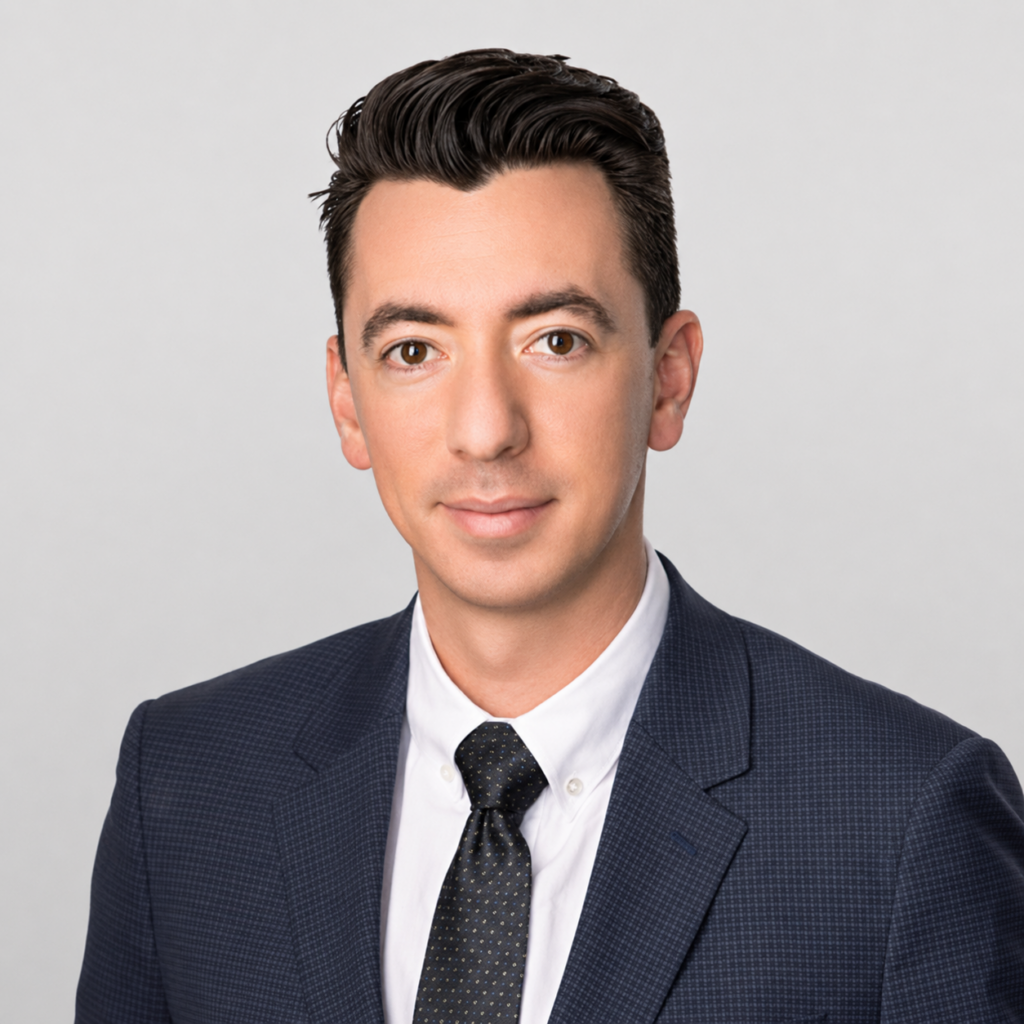
Andre Karchemsky, Esq.
Andre Karchemsky is a civil litigator with Golden Coast Trial Attorneys who advocates for individuals and families injured in accidents throughout California—from seemingly minor collisions to catastrophic injury and wrongful-death matters. He represents clients in claims involving cars, trucks, motorcycles, bicycles, pedestrians, unsafe properties, and other serious incidents. Drawing on prior experience representing Fortune 500 companies and insurers, Andre strategically prepares each case with trial in mind, providing knowledgeable, client-centered advocacy focused on protecting his clients’ rights and pursuing the full recovery they deserve.