California and San Diego Join Multi-State Lawsuit to Block HUD Rule Affecting Mixed-Status Families in Public Housing
California, the City of San Diego, and several other states have filed a federal lawsuit seeking to block a new housing rule finalized by the U.S. Department of Housing and Urban Development (HUD) under the Trump administration. The rule, set to take effect on December 14, 2026, would prohibit “mixed-status” families—households with some members undocumented or ineligible for federal rental assistance—from living in public housing or receiving housing aid.
The lawsuit, filed in Massachusetts federal court, alleges that the HUD rule violates the Administrative Procedure Act by exceeding statutory authority and contradicting congressional intent. It claims the rule would displace thousands of families, including U.S. citizen children, exacerbating housing instability and financial burdens on states and local governments.
Key Takeaways
- The HUD rule targets mixed-status families, affecting over 7,000 households in California and more than 15,500 nationwide.
- The lawsuit argues the rule imposes unlawful verification requirements, including on senior citizens exempt under prior regulations.
- San Diego officials warn the rule could worsen local housing affordability and increase homelessness risks for families with U.S. citizen children.
Background of the HUD Verification of Eligible Status Rule
Earlier in November 2026, HUD finalized the Verification of Eligible Status rule, which mandates that public housing authorities verify the immigration status of all household members receiving federal housing assistance. The rule effectively bars families with undocumented members from receiving prorated assistance or residing in federally subsidized housing.
This policy shift represents a departure from prior HUD regulations that allowed mixed-status families to remain in public housing with prorated benefits. The new rule is expected to impact thousands of low-income households, many of which include U.S. citizens such as children or elderly relatives.
Details of the Lawsuit and Parties Involved
The lawsuit was filed by California Attorney General Rob Bonta, San Diego City Attorney Heather Ferbert, and attorneys general from 20 other states, including Arizona, Colorado, New Mexico, Oregon, and Washington. Pennsylvania Governor Josh Shapiro also joined the suit. The defendants named are HUD and its Secretary, Scott Turner.
The complaint describes the rule as “callous, ill-conceived, and illegal,” asserting that it imposes onerous and error-prone verification requirements on all recipients of federal housing assistance, including seniors aged 62 or older who were previously exempt. The plaintiffs contend the rule will force displacement of families, increase homelessness, and strain state and local resources.
Legal and Policy Issues Central to the Case
The lawsuit raises significant legal questions about the scope of federal agency authority under the Administrative Procedure Act and the interpretation of statutes governing public housing eligibility. The plaintiffs argue that HUD’s rule unlawfully rewrites existing law by excluding mixed-status families, contrary to congressional intent and prior regulatory frameworks.
Additionally, the case highlights the challenges of verifying immigration status within housing programs, including concerns about administrative burdens, potential errors, and the impact on vulnerable populations such as seniors and children who are U.S. citizens.
Why This Lawsuit Matters for Housing and Public Assistance Programs
This legal challenge underscores the tension between federal immigration enforcement policies and access to essential public assistance programs. The outcome could affect thousands of families’ housing stability, particularly in California and San Diego, where housing affordability is already a critical issue.
Local officials emphasize that displacing mixed-status families could increase homelessness and place additional financial pressure on state and municipal services. The case also illustrates how administrative rulemaking can have profound effects on community health and welfare beyond the immediate legal questions.
For those facing housing insecurity or complex eligibility issues, understanding the evolving legal landscape is crucial. Cases involving public assistance often require careful evaluation of agency rules, statutory authority, and the practical effects on affected families.
Frequently Asked Questions
What is a mixed-status family?
A mixed-status family includes members with different immigration statuses, such as U.S. citizens and undocumented immigrants living in the same household.
Why is the HUD rule controversial?
The rule is controversial because it would bar mixed-status families from public housing assistance, potentially displacing families with U.S. citizen children and increasing homelessness.
What legal grounds does the lawsuit rely on?
The lawsuit alleges the HUD rule violates the Administrative Procedure Act by exceeding HUD’s statutory authority and contradicting congressional intent.
How could this lawsuit affect California residents?
If successful, the lawsuit could prevent the displacement of thousands of families in California who rely on federal housing assistance, preserving housing stability for vulnerable populations.
Cases involving public assistance and housing eligibility can raise complex legal and policy issues affecting many families. For personalized guidance, individuals impacted by housing disputes or displacement concerns may consider consulting experienced San Diego County personal injury attorneys who understand how to navigate related civil claims.
If you or a loved one faces serious injury or wrongful death related to housing or other civil matters, contact Golden Coast Trial Attorneys for a free case review.
Original reporting by Times of San Diego: https://timesofsandiego.com/politics/2026/11/23/california-san-diego-lawsuit-trump-housing-undocumented/
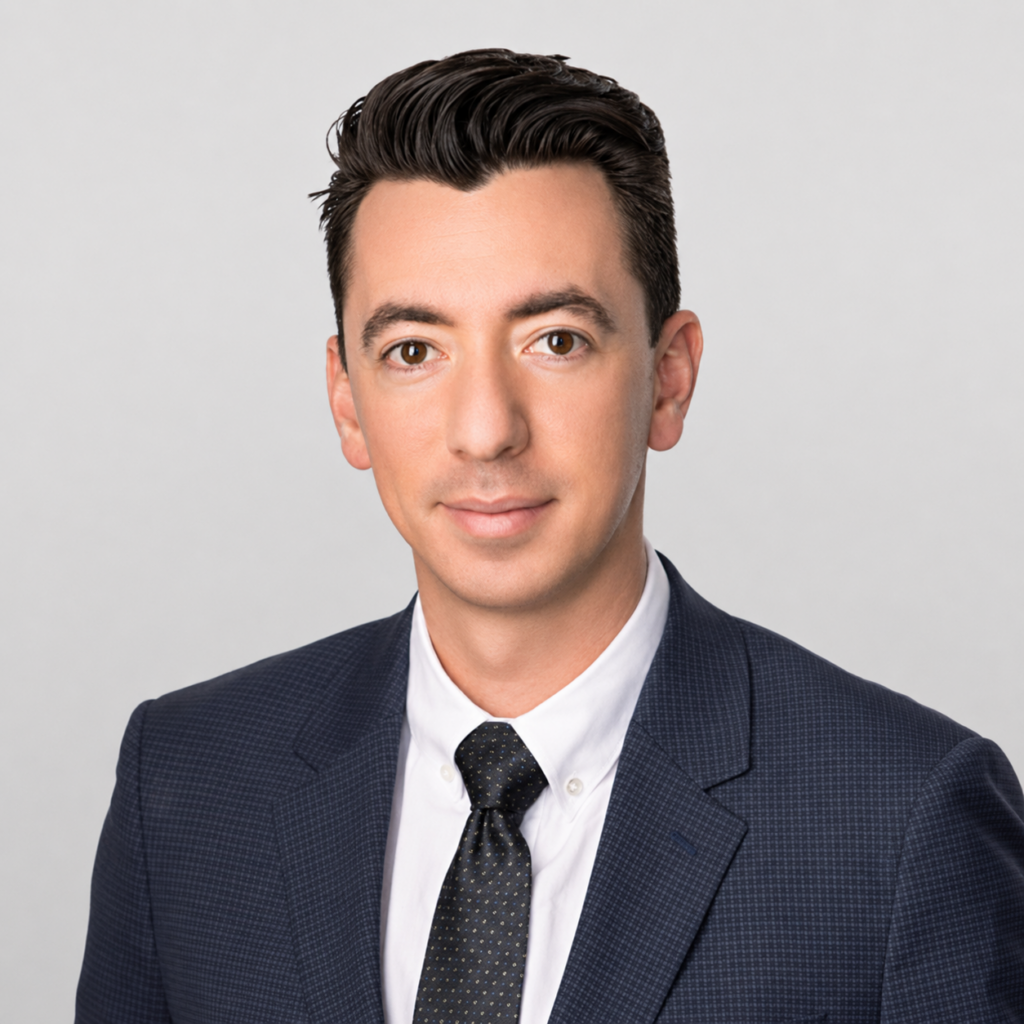
ABOUT THE AUTHOR
Andre Karchemsky, Esq.
Andre Karchemsky is a civil litigator with Golden Coast Trial Attorneys who advocates for individuals and families injured in accidents throughout California—from seemingly minor collisions to catastrophic injury and wrongful-death matters. He represents clients in claims involving cars, trucks, motorcycles, bicycles, pedestrians, unsafe properties, and other serious incidents. Drawing on prior experience representing Fortune 500 companies and insurers, Andre strategically prepares each case with trial in mind, providing knowledgeable, client-centered advocacy focused on protecting his clients’ rights and pursuing the full recovery they deserve.