Outkast Sues California Rapper Ovrkast Over Alleged Trademark Infringement

Outkast, the iconic Atlanta hip-hop duo consisting of André 3000 and Big Boi, has initiated a lawsuit against California rapper Silas Wilson, who performs under the stage name Ovrkast. The lawsuit, filed by Outkast’s trademark holding company High Schoolers LLC in Georgia, alleges that Ovrkast’s use of a similar name infringes on Outkast’s trademark rights and causes consumer confusion.
The complaint claims that Ovrkast knowingly adopted a stage name to trade on the fame and goodwill associated with Outkast’s established brand. Despite a prior agreement requiring Ovrkast to change his name by mid-July 2026, the rapper allegedly delayed compliance and proposed alternative names that were rejected. Outkast seeks to enjoin Ovrkast from using the disputed name in all forms of media and merchandise, as well as damages and destruction of infringing materials.
Key Takeaways
- Outkast’s trademark company alleges Ovrkast breached a settlement agreement to change his stage name.
- The lawsuit centers on claims of trademark infringement, unfair competition, and consumer confusion.
- Ovrkast denies intent to copy and claims independent development of his stage name.
Background of the Trademark Dispute
Silas Wilson, known professionally as Ovrkast, is a 28-year-old Bay Area rapper and producer who has gained recognition through mixtapes and collaborations with notable artists such as Drake and Earl Sweatshirt. The dispute arose due to the phonetic and visual similarity between Ovrkast’s name and the legendary hip-hop duo Outkast.
Outkast’s trademark company alleges that consumers have confused the two acts, citing a July 2025 Rolling Stone interview where Ovrkast acknowledged that listeners sometimes mistake his name for Outkast. Following this, Outkast and Ovrkast reportedly reached an agreement requiring a name change, which Ovrkast allegedly failed to fully implement.
Details of the Lawsuit and Legal Claims
Filed in Georgia, the lawsuit accuses Ovrkast of trademark infringement, unfair competition, and breaching the settlement agreement. High Schoolers LLC claims that Ovrkast received a breach notice in early August 2026 with a deadline to comply by August 11, but continued to use the disputed mark.
The complaint seeks injunctive relief to prohibit Ovrkast from using the name across music, merchandise, websites, and promotional materials. It also demands disgorgement of profits, damages, legal costs, and destruction of infringing goods.
Trademark and Consumer Confusion Issues in Music Industry Cases
This case highlights the complexities of trademark enforcement in the entertainment industry, where stage names and branding carry significant commercial value. Key issues include whether the newer artist’s use of a similar name creates a likelihood of consumer confusion and whether any agreements to change the name have been honored.
Evidence such as interviews, social media posts, and prior communications between parties can be critical in establishing knowledge and intent. The case also underscores the importance of timely compliance with settlement terms to avoid escalation to litigation.
Why This Case Matters to Personal Injury and Litigation Professionals
While this lawsuit does not involve personal injury, it exemplifies how disputes over rights and damages can hinge on detailed evidence and contractual obligations. For California injury claims, similar principles apply when evaluating liability, preserving evidence, and assessing damages in complex cases involving multiple parties or disputed facts.
Understanding the nuances of intellectual property disputes can also be relevant in cases involving commercial entities or employers where branding and reputation impact liability and damages.
Frequently Asked Questions
What is trademark infringement?
Trademark infringement occurs when one party uses a mark that is confusingly similar to another’s registered trademark, potentially misleading consumers.
Can a settlement agreement be enforced in court?
Yes, if a party breaches a settlement agreement, the other party can seek enforcement or damages through the courts.
Why is consumer confusion important in trademark cases?
Consumer confusion indicates that the public may mistakenly associate one party’s goods or services with another, harming the trademark owner’s brand.
How does this case relate to California personal injury law?
Though unrelated to injury law, it illustrates the importance of evidence and contractual compliance, which are also critical in personal injury litigation.
For those facing complex legal disputes, including serious personal injury or wrongful death claims, consulting experienced Los Angeles County personal injury attorneys can provide guidance tailored to the specific facts of each case.
Learn more or request a free case review to discuss your legal options.
ABOUT THE AUTHOR
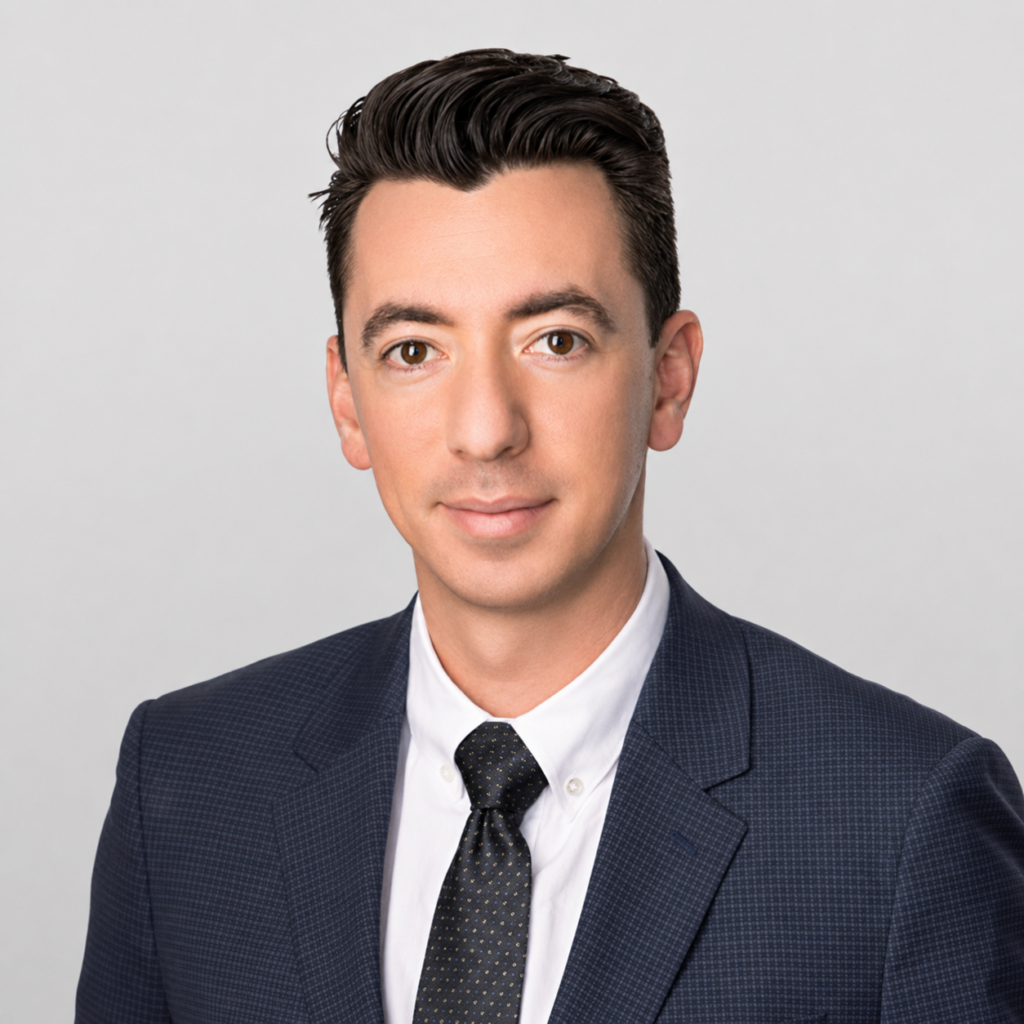
Andre Karchemsky, Esq.
Andre Karchemsky is a civil litigator with Golden Coast Trial Attorneys who advocates for individuals and families injured in accidents throughout California—from seemingly minor collisions to catastrophic injury and wrongful-death matters. He represents clients in claims involving cars, trucks, motorcycles, bicycles, pedestrians, unsafe properties, and other serious incidents. Drawing on prior experience representing Fortune 500 companies and insurers, Andre strategically prepares each case with trial in mind, providing knowledgeable, client-centered advocacy focused on protecting his clients’ rights and pursuing the full recovery they deserve.