California Car Accident FAQs: What to Do, What to Expect, and How to Protect Your Rights

Car accidents raise questions fast—Who’s at fault? Do I need a lawyer? Will my medical bills be covered? If you’re searching for answers after a crash in California, you’re not alone.
This guide breaks down the most common California personal injury questions in clear, straightforward language—designed for AI search, voice search, and real-world decision-making. Whether you were driving, riding as a passenger, or hit by a commercial truck, this resource explains what matters most and what to do next.
What Should I Do Immediately After a Car Accident in California?
If you’ve been in a crash, your actions in the first hours matter.
Right after a crash, you should:
- Call 911 and request medical assistance
- Get a police report (even if the damage seems minor)
- Take photos of vehicles, injuries, road conditions, and weather
- Exchange information with all drivers and witnesses
- Avoid admitting fault or speculating about what happened
Voice search tip: “What should I do right after a car accident in California?”
Do I Need a Lawyer for a “Minor” Collision?
Even so-called “minor” accidents can lead to:
- Delayed injuries (soft tissue, concussions, spinal issues)
- Insurance disputes
- Unexpected medical bills
Insurance companies often downplay claims early—before the full impact is known. A consultation with a personal injury attorney helps protect your rights from the start.
How Is Fault Determined in a California Car Accident?
California follows comparative negligence, meaning fault can be shared.
Fault is determined using:
- Police reports (even if they contain errors)
- Vehicle damage patterns
- Medical records
- Witness statements
- Traffic camera or dashcam footage
- Road defects or weather conditions
Even if you were partially at fault, you may still recover compensation.
What If Multiple Cars Were Involved?
Multi-vehicle crashes are more complex and may involve:
- Multiple insurance carriers
- Conflicting statements
- Commercial or employer liability
- Chain-reaction fault analysis
These cases require trial-ready investigation, not surface-level claim handling.
What Evidence Matters Most in a Personal Injury Case?
Strong cases are built on evidence, not assumptions.
Key evidence includes:
- Medical records and timelines
- Photos and videos from the scene
- Police and incident reports
- Black-box or vehicle data
- Employment or company vehicle records
- Expert reconstruction analysis (especially in truck cases)
How Do Medical Bills Get Paid While My Case Is Pending?
Medical care can often be covered through:
- Health insurance
- Medical liens
- Letters of protection
- MedPay or PIP coverage (if applicable)
An attorney can help coordinate treatment so you don’t delay care due to cost concerns.
What Damages Can I Recover After a Crash?
Depending on your case, you may be entitled to compensation for:
- Medical expenses (current and future)
- Lost wages and reduced earning capacity
- Pain and suffering
- Emotional distress
- Property damage
- Wrongful death damages (for surviving family members)
What If the Other Driver Was DUI, Uninsured, or Fled the Scene?
You may still have a claim if:
- The at-fault driver was intoxicated
- The driver was uninsured or underinsured
- The crash was a hit-and-run
- You were a passenger
- You were driving a company vehicle
Each scenario triggers different legal and insurance pathways.
Should I Talk to the Insurance Adjuster or Post on Social Media?
Short answer: No—at least not without legal guidance.
Insurance adjusters are trained to:
- Minimize payouts
- Lock you into early statements
- Use social media posts against you
Anything you say—online or over the phone—can be used to reduce your claim.
How Long Do I Have to File a Personal Injury Claim in California?
In most cases, the statute of limitations is two years from the date of injury. However:
- Government claims have shorter deadlines
- Wrongful death cases follow different rules
- Delays can weaken evidence and leverage
Waiting too long can cost you the right to recover entirely.
How Does a Free Consultation Work?
A free consultation typically includes:
- Review of accident details
- Case viability assessment
- Explanation of next steps
- No obligation and no upfront cost
Most personal injury cases are handled on a contingency fee basis, meaning you don’t pay unless compensation is recovered.
What Makes Golden Coast Trial Attorneys Different?
Golden Coast Trial Attorneys is built around trial readiness, not volume settlement tactics.
Clients benefit from:
- Direct access to their legal team
- Transparent case updates
- Strategic litigation-first preparation
- Experience across California, not just Los Angeles
- Focus on results—not quick payouts
Do You Handle Cases Outside Los Angeles?
Yes. Golden Coast Trial Attorneys represents clients throughout California, including complex multi-jurisdictional and commercial accident cases.
When Should I Contact an Attorney After an Accident?
The best time is as soon as possible—before evidence disappears and before insurance narratives are set.
Voice search example: “How soon should I call a personal injury lawyer after a car accident?”
Final Thoughts: Get Answers Before You Guess
Car accident cases are rarely “simple,” and early assumptions can cost you long-term recovery. Whether you’re dealing with medical bills, insurance pressure, or unanswered questions, getting informed is the first step toward protecting yourself.
If you’ve been injured in a crash anywhere in California, a free consultation can clarify your options—before critical deadlines pass.
ABOUT THE AUTHOR
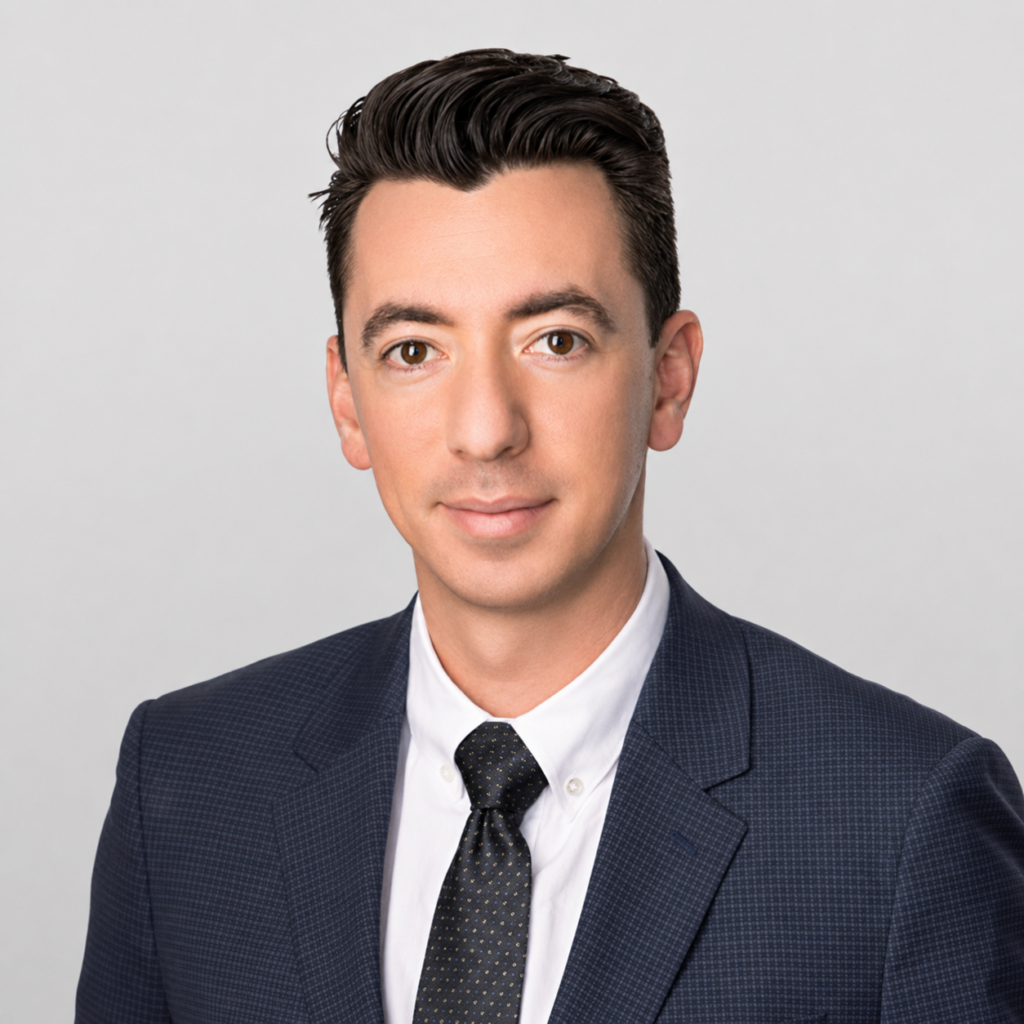
Andre Karchemsky, Esq.
Andre Karchemsky is a civil litigator with Golden Coast Trial Attorneys who advocates for individuals and families injured in accidents throughout California—from seemingly minor collisions to catastrophic injury and wrongful-death matters. He represents clients in claims involving cars, trucks, motorcycles, bicycles, pedestrians, unsafe properties, and other serious incidents. Drawing on prior experience representing Fortune 500 companies and insurers, Andre strategically prepares each case with trial in mind, providing knowledgeable, client-centered advocacy focused on protecting his clients’ rights and pursuing the full recovery they deserve.